
Philippine BPOs spur office growth amid threat of U.S. bills: Colliers

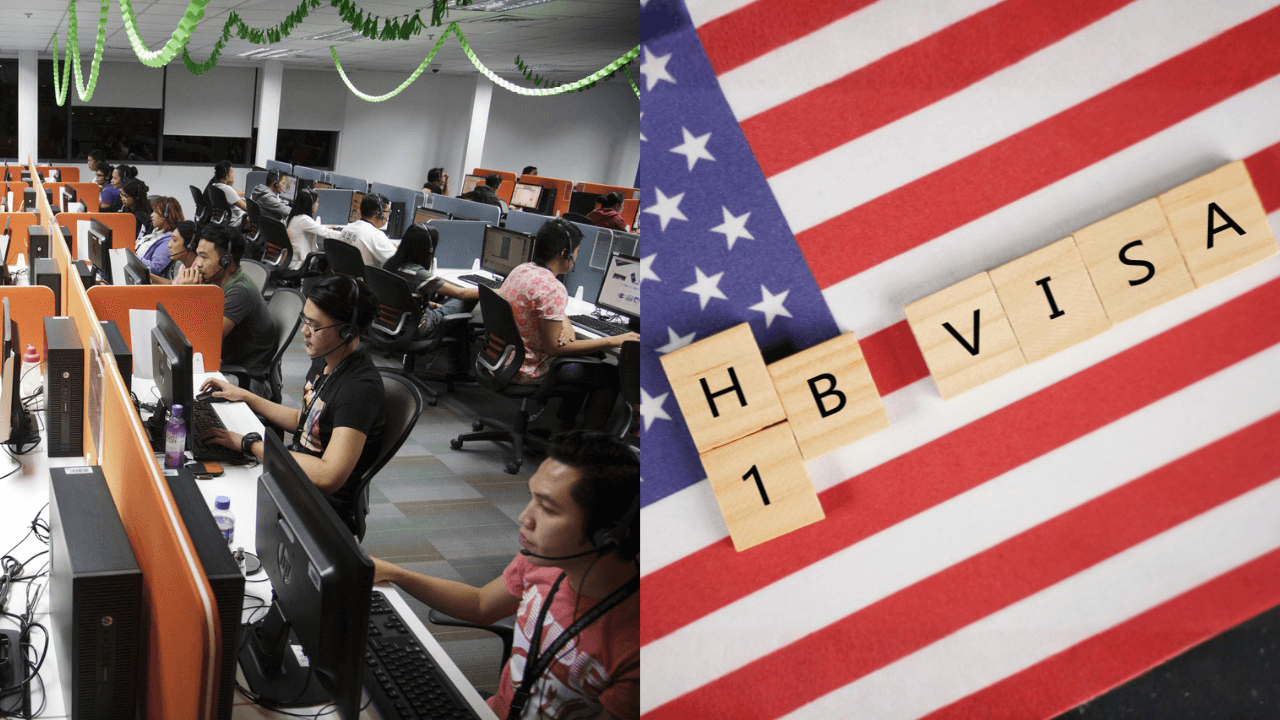
MANILA, PHILIPPINES — The Philippines’ business process outsourcing (BPO) sector remains a driving force in the country’s office property market, defying potential setbacks from proposed United States legislation aimed at curbing offshoring.
According to real estate consultancy Colliers Philippines, the industry continues to expand aggressively, powered by strong fundamentals and sustained demand from outsourcing firms.
BPOs’ power office rebound
Colliers Philippines reported that Metro Manila’s office market exceeded expectations in the third quarter of 2025, with net office take-up reaching 215,000 square meters (sqm) as of September, already surpassing the full-year forecast of 150,000 sqm.
“The BPO sector remains the key demand driver for office space, powering the sector’s recovery and leading to a significant upward revision of full-year forecasts,” said Joey Roi Bondoc, research director at Colliers Philippines, in an interview.
The consultancy has since revised its full-year projection to 285,000 sqm, citing strong transaction volumes that reached 232,000 sqm this quarter—the highest since the Philippine Offshore Gaming Operations (POGO) ban was implemented.
Vacancy rates also showed slight improvement, down to 19.8% in Metro Manila. The Makati central business district (CBD) recorded the lowest vacancy at 8.2%, followed by Fort Bonifacio at 12.4%.
Bondoc noted that business expansions and new setups remain robust, accounting for 70% of all known transactions.
He explained that BPO and shared services firms generally pursue deals that are two to three times larger than those of traditional companies, often leasing spaces ranging from 1,500 to 3,000 square meters per transaction.
Provincial outsourcing hubs see rapid expansion
Outside the capital, the outsourcing industry is also fueling regional growth. Colliers said provincial office transactions reached 210,000 sqm as of September 2025, 30,000 sqm higher than last year’s levels.
Cebu has emerged as the country’s second most active office market, with transactions increasing by 14.1% year-over-year.
A key factor driving this decentralization, Colliers added, is the dwindling supply of Peza-accredited spaces in major CBDs, prompting firms to explore new frontiers like the C5 Corridor, where rental rates range from ₱500 (US$8.53) to ₱850 (US$14.50) per sqm, and access to new labor pools is widening.
Philippine BPO adapts amid rising U.S. offshoring risks
While proposed U.S. measures such as the HIRE Act of 2025 and the Keep Call Centers in America Act could penalize offshoring, the Philippine BPO sector continues to hold its ground through diversification and value creation.
The Information Technology and Business Process Association of the Philippines (IBPAP) has been collaborating with the government to transition the industry toward higher-value services, including data analytics, cybersecurity, and healthcare information management.
From an industry perspective, the continued expansion of BPOs underscores the sector’s adaptability and long-term resilience.
Even in the face of protectionist pressure abroad, the Philippines’ proven talent pool, cost efficiency, and service quality remain its strongest defenses—cementing the country’s position as one of the world’s most competitive outsourcing destinations.








