
Global bank warns of Philippine peso risks amid AI, BPO threats

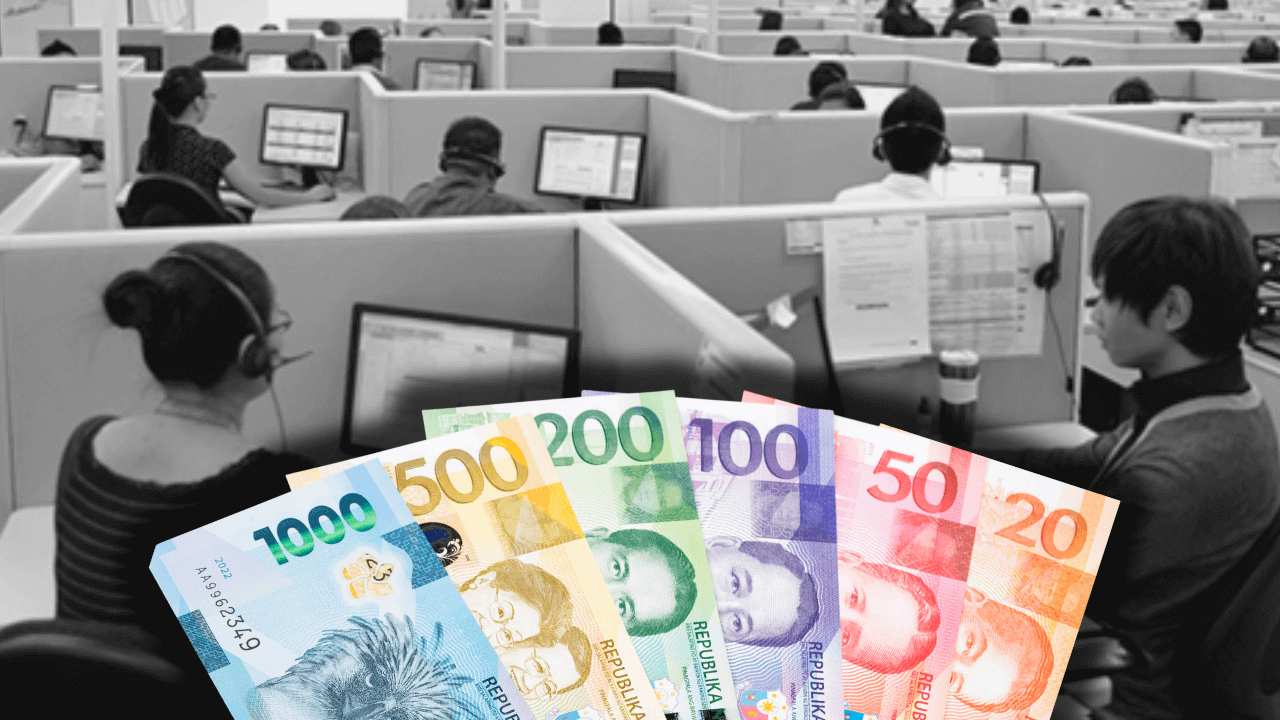
MANILA, PHILIPPINES — Standard Chartered Bank has flagged caution on the Philippine peso, citing potential risks to the country’s business process outsourcing (BPO) sector from artificial intelligence (AI) and United States policy developments.
In a report from BusinessMirror, executives of Standard Chartered Hong Kong singled out the peso as a currency facing mounting pressures compared with other Southeast Asian currencies, raising concerns over its stability in the months ahead.
BPO sector faces dual threats: AI and U.S. policy
“For the Philippines itself, in terms of the outlook on the peso, I would say within the ASEAN region, the peso is probably a currency that we are a bit more cautious on,” Standard Chartered Bank Economist and Foreign Exchange (FX) Analyst in Asia Jonathan Koh said during a news briefing.
Koh cited the challenges facing structural support that have traditionally underpinned the peso, particularly BPO exports, which account for about 8% of the country’s gross domestic product (GDP).
“BPO exports have actually been coming off a little bit. The risk to that is actually AI and also potentially U.S. policy,” he added, referring to the proposed Halting the International Relocation of Employment (HIRE) Act of 2025.
If enacted, the HIRE Act would impose a 25% tax on U.S. companies outsourcing BPO services, potentially hitting economies where outsourcing is a major contributor.
“So that tax clearly is not going to be positive for economies, whereby BPO is a huge portion, and here it’s about 8% of GDP. So that’s, I think, is the first reason,” Koh explained.
Slowing remittances weigh on Philippines currency outlook
Koh also pointed to slower growth in cash remittances from overseas Filipinos as a factor weighing on the peso.
“Remittances [have] been growing stably, 3 percent year-on-year, but as a percentage of GDP, it’s not growing as fast as nominal GDP. So as a percentage of GDP, it has actually been falling,” Koh said.
“It used to be maybe about 10 percent; now it’s probably about 8.5 percent of GDP. So it’s not really helping offset the merchandise trade deficit that the economy is running at the moment,” he added.
The peso’s fluctuations, however, have mixed effects on the export-oriented BPO sector.
Jonathan “Jack” R. Madrid, president of the IT and Business Process Association of the Philippines (IBPAP), noted that a weaker peso can temporarily boost competitiveness.
“It makes us a little bit more competitive,” he said, referring to the currency’s movement against the dollar.
As global banks and policymakers weigh AI disruption and proposed U.S. legislation, the BPO industry may face a turning point.
The sector continues to serve as a key source of dollar revenue; however, companies must pursue both service innovation and service diversification to sustain their business growth despite the peso facing increasing internal and external economic pressures.







