
Philippines targets 700K BPO jobs in regional push

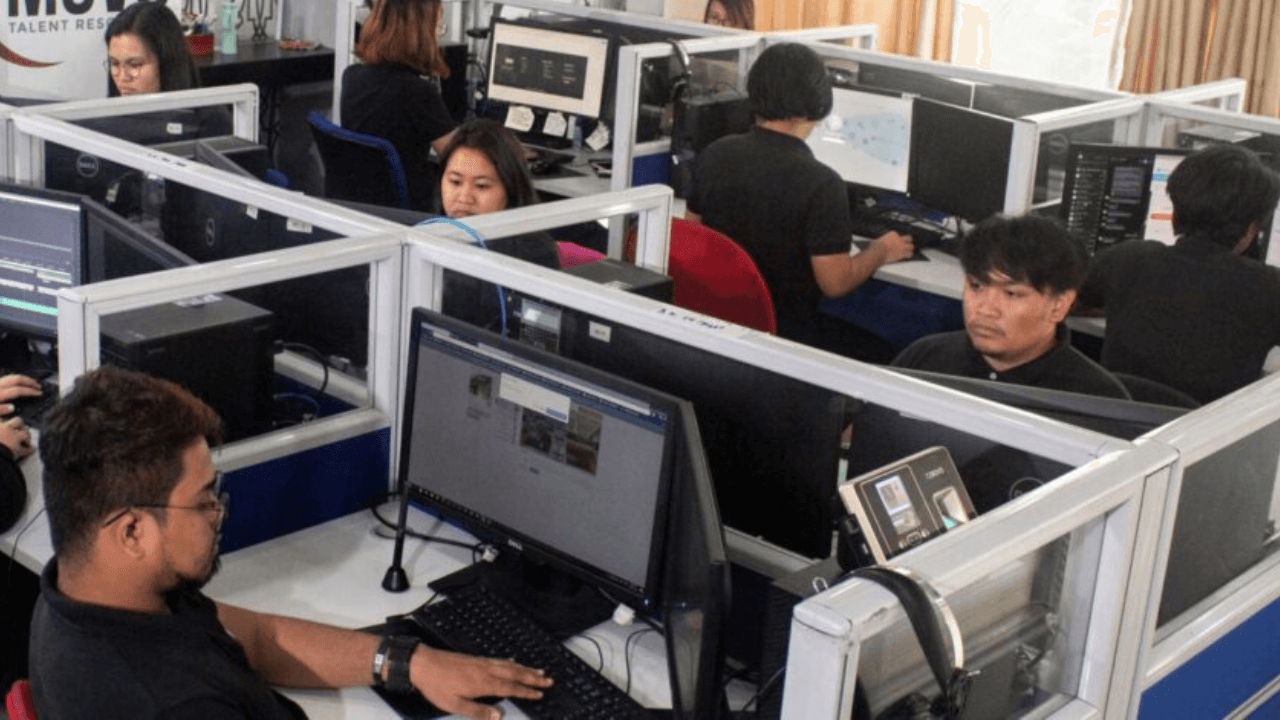
MANILA, PHILIPPINES — The Philippine government is pushing to fill up to 700,000 new jobs in the business process outsourcing (BPO) industry, with half of these positions expected to be generated outside traditional urban hubs like Metro Manila and Cebu.
This initiative signals a push to decentralize digital employment and foster regional economic growth.
Decentralizing Philippine BPO jobs to rural areas
The Philippine Department of Information and Communication Technology (DICT) MIMAROPA Regional Director Emmy Lou Delfin said during the “ARANGKADA MIMAROPA” radio program on February 18 that the government intends to extend technology-based job opportunities beyond Metro Manila.
MIMAROPA, also known as Region IV-B, is an administrative archipelagic region in the Philippines, and it comprises the areas of Mindoro (Occidental and Oriental), Marinduque, Romblon, and Palawan.
“There are still around 700,000 job opportunities in the BPO industry, and 50% of these will be in the countryside. This includes our startup initiatives, training programs, and even efforts to actually build the capacity of MSMEs through technology, and we also work with the DTI on this,” Delfin said in the Filipino language.
The approach can be successful in addressing the imbalance in employment opportunities between urban and rural areas, thereby providing new opportunities and stimulation to regional economies.
Puerto Princesa emerges as a global IT-BPM digital city
For the MIMAROPA region, Puerto Princesa City has been designated as a digital city, part of a nationwide network of 25 emerging information technology and business process management (IT-BPM) hubs.
“So our jobs now should be around 3,000 BPO workers based in Puerto Princesa, and we have a global BPO company there,” Delfin said in Filipino, highlighting the city’s current workforce.
The presence of global BPO firms in Puerto Princesa demonstrates that the region has developed the necessary capabilities to handle high-value outsourcing business operations. The area needs both improved digital infrastructure facilities and sustained investor trust to achieve its goal of creating more jobs.
The Philippine BPO sector, whose centers are mostly focused in Metro Manila and Cebu, now intends to expand through new regional business centers. The country can access more skilled workers while decreasing congestion in urban centers by establishing employment opportunities in regional areas like MIMAROPA.
The Philippine outsourcing industry will experience major growth as it has 700,000 roles up for grabs. The combination of regional digitalization efforts, startup assistance programs and skills development initiatives will enable the country to become a global outsourcing destination while achieving economic growth throughout its various regions.







