
Philippines eyes BPO expansion into Paraguay after historic visit

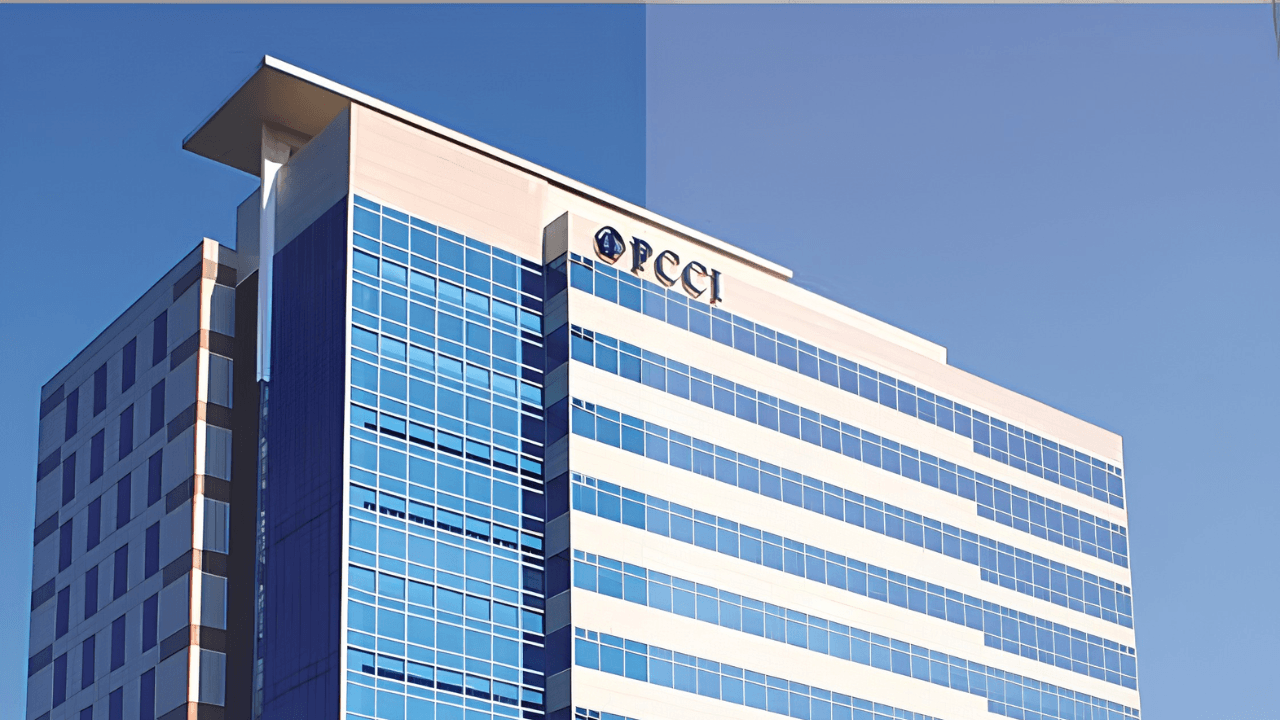
- Philippine firms are exploring BPO investments in Paraguay
- Paraguay’s electricity costs about PHP3 per kilowatt hour
- Mercosur membership covers roughly 300 million consumers
- Investors may bring in 50 to 60 percent foreign workers
MANILA, PHILIPPINES — The Philippine Chamber of Commerce and Industry (PCCI) is exploring business process outsourcing (BPO), agriculture and electronics investments in Paraguay following the South American country’s first presidential visit to Manila — triggering concrete business talks more than six decades after the two nations established diplomatic ties.
Paraguay pitches cheap renewables and Mercosur market access
PCCI President Ferdinand Ferrer said Philippine companies began studying opportunities after business-matching sessions held during Paraguayan President Santiago Peña’s visit.
According to Inquirer.net, Paraguay’s pitch centers on electricity costs as low as PHP 3 (about 5 cents) per kilowatt hour — all sourced from renewables — and membership in Mercosur, the South American trade bloc spanning roughly 300 million consumers.
“In Paraguay, their electricity is only around P3 per kilowatt hour and it’s 100-percent renewable,” Ferrer told reporters. “We’re going to try to work on how we can capture more business.”
Peña told Philippine firms they could bring in up to 50 to 60 percent foreign workers for investments established in the country — a provision that would ease staffing for BPO operations launched there.
BPO push targets Americas markets, not Philippine jobs
The most immediate priority is establishing BPO operations in Paraguay, with Ferrer framing the push as geographic expansion rather than a displacement of existing Philippine work.
“We want to set up companies there,” he said. “Not to remove work from here, but to capture additional business because of geographic location.”
Electronics manufacturing is also under review, as Philippine companies assess whether Paraguay’s tariff access to the Americas can support exports, while agriculture talks center on Paraguayan soy and corn for the domestic animal feed industry.
The two countries formalized the visit with three signed agreements: a PCCI–Paraguay Investment and Export Network memorandum of understanding, a bilateral visa waiver for ordinary passport holders, and a diplomatic training cooperation pact.
The discussions reflect a broader strategic pivot for Philippine BPO: expanding offshore into new geographic markets rather than defending domestic capacity against automation.
The industry employs approximately 1.7 million workers and generates over US$35 billion in annual revenue, according to the IT and Business Process Association of the Philippines. A foothold in Paraguay would mark the sector’s first operational presence on South American soil — a continent-sized market it has not previously served at scale.
Related news
- Philippines CX sector eyes 5% revenue growth as AI adoption gaps emerge · 2 Jun
- American AI firms are eyeing the Philippines’ $40Bn BPO market · 9 Jun
- Manila eyes new ecozones to ease BPO space crunch · 7 Jul
Disclosure: Outsource Accelerator uses AI tools in the backend of its editorial workflow. Every article is reviewed and verified by a human editor before publication.
Stay ahead of the outsourcing industry. Join thousands of business leaders who rely on Outsource Accelerator for the news, trends, and expert insights that matter. Subscribe to our free newsletter and never miss an update.








