
AI brings risk and opportunity to Philippines IT-BPM: AMRO analysis

SINGAPORE, SINGAPORE — The Philippines’ information technology business process management (IT-BPM) industry faces both challenges and opportunities as artificial intelligence (AI) reshapes global business services, according to an analysis by the ASEAN+3 Macroeconomic Research Office (AMRO).
The analysis highlights that while AI could disrupt routine outsourcing work, it also opens doors for innovation-driven services where Filipino professionals excel.
AI disruption threatens legacy BPO work
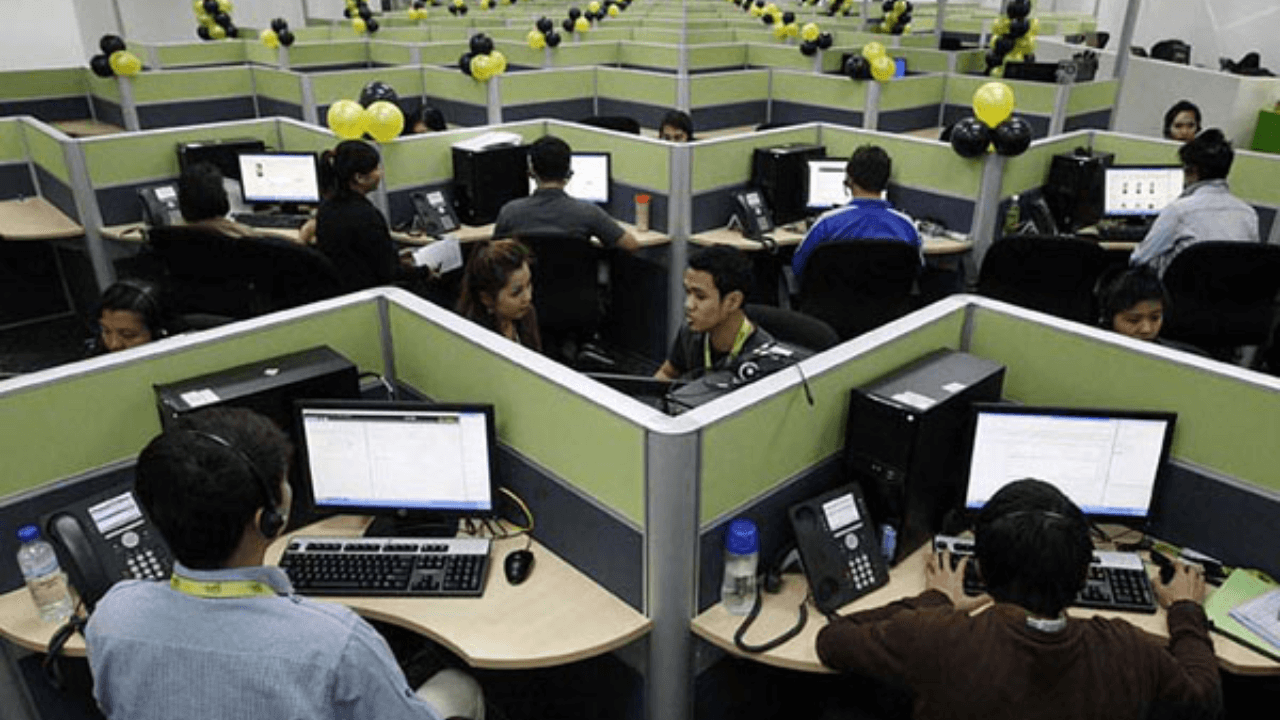
The AMRO analysis notes that the Philippines’ IT-BPM sector remains heavily focused on contact center services, which accounted for 83 percent of industry revenue and 89 percent of employment in 2024.
“A deeper look into the Philippines’ IT-BPM services finds the industry remains heavily anchored in traditional outsourcing,” the analysis said, warning that this concentration makes the sector vulnerable to automation.
Routine, rule-based tasks like data entry, customer support, and parts of financial processing can now be executed faster by AI-powered systems, raising concerns over potential job displacement.
The analysis adds that uneven AI adoption could worsen skill mismatches and labor market inequality, particularly between traditional BPO workers and higher-skilled professionals whose roles complement AI technologies.
Given the sector’s size, AMRO stressed that such disruptions could have macro-critical spillovers on growth, employment, and consumption.
Shift to knowledge-driven IT-BPM services
Despite these risks, the AMRO analysis emphasizes that AI can also serve as a catalyst for growth.
“Business processes and functions requiring empathy, nuanced communication and cultural understanding cannot be easily replaced by machines,” the analysis noted.
When integrated effectively, AI can enhance productivity and expand new business lines, particularly in judgment-intensive services such as data analytics and healthcare.
The report also underscores the importance of developing global in-house centers (GICs) and knowledge process outsourcing (KPO), which deliver specialized services less exposed to automation.
To support this transition, AMRO recommends investments in reskilling and upskilling programs, stronger STEM and soft skills education, and improvements in digital infrastructure, innovation ecosystems, and regulatory frameworks.
Charting the future of Philippine outsourcing
AMRO concludes that AI should not signal the end of the Philippines’ outsourcing leadership but rather its next chapter. By combining forward-looking policies, talent development, and technological upgrades, the country can maintain its edge in the global IT-BPM landscape.
The analysis suggests that a strategic embrace of AI could transform the sector, enabling Filipino professionals to move from traditional contact centers toward higher-value, knowledge-based services, ensuring the Philippines remains a key player in the international outsourcing industry.







