
AI drives mass layoffs in Krakow, Poland’s BPO hub

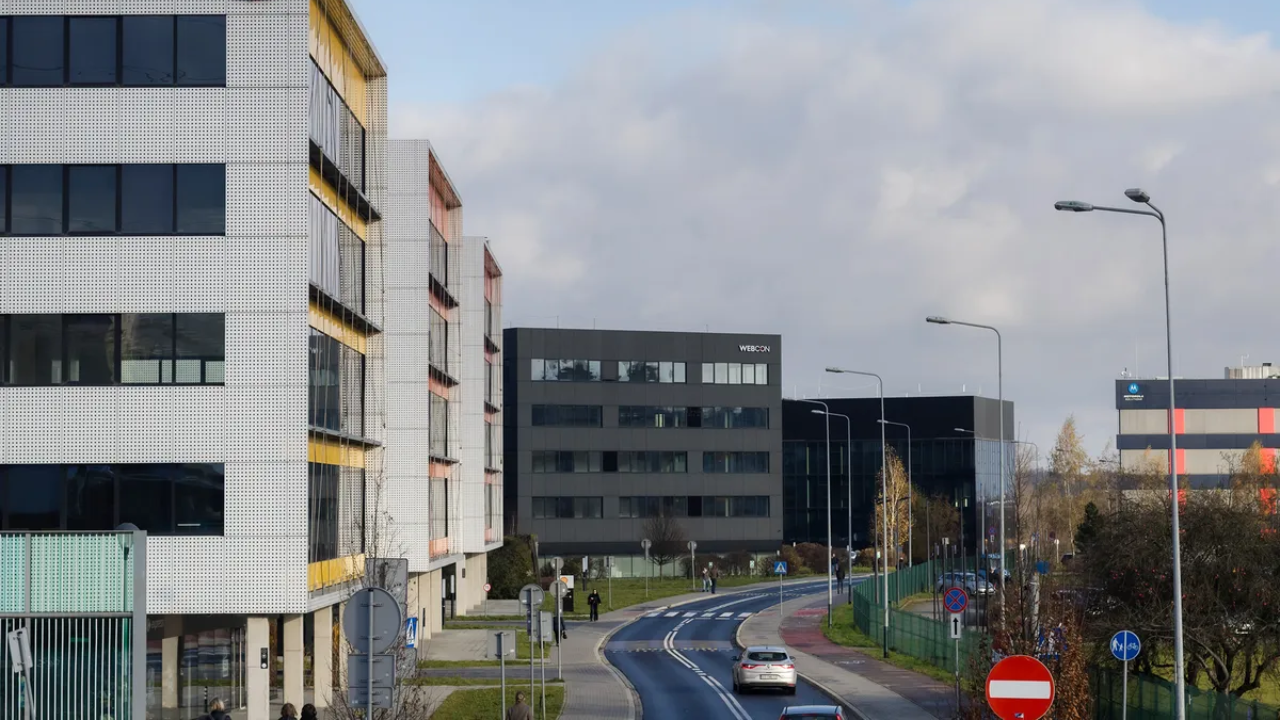
NEW YORK, UNITED STATES — Krakow, once a hub for business process outsourcing (BPO) jobs that propelled Poland‘s swift economic growth, now confronts a fresh challenge: artificial intelligence (AI) is transforming the labor market, jeopardizing high-paid, routine roles, as reported by Bloomberg.
AI pressures Krakow’s BPO and IT jobs
The city, home to 800,000 residents, has long been Europe’s top destination for IT, finance, and human resources roles.
BPO jobs in Krakow account for roughly a fifth of Poland’s half-million-strong industry, which contributes nearly 6% of the country’s GDP. However, automation is beginning to transform the sector.
By the end of October, 32 companies had notified the local employment office of plans to lay off 4,195 staff, a 70% jump compared with 2024, primarily in data processing, web hosting, accounting, and tax consultancy.
“Poland is no longer an up-and-coming economy competing with cheap labor,” said Andrzej Kubisiak, deputy director at the Polish Economic Institute.
“The recently announced plans for mass layoffs in these companies certainly pose a significant challenge for Krakow. It will be difficult to maintain the same course. This requires transformation and change,” Kubisiak added.
Companies including Shell, Heineken, HSBC, and UBS are cutting lower-level positions while shifting some operations to cheaper locations in Asia or India.
“Simple operational processes” are being automated, said Grzegorz Goralczyk, head of HSBC’s service delivery unit in Poland, while remaining jobs are “more advanced and specialized.”
Krakow-based Comarch SA is pivoting to hire higher-skilled specialists, reflecting the city’s broader labor shift.
Layoffs hit Krakow’s offices, housing, and small businesses
The impact extends beyond office towers. Cafes, restaurants, and retailers that depended on a well-paid BPO workforce are experiencing significant challenges.
Zuzanna Jankiewicz, who recently closed her specialty food shop in Kazimierz, said that everyone is closely monitoring their spending, even in an economy growing faster than most parts of Europe.
Office vacancy rates rose to 18.6% in the third quarter of 2025, while apartment prices, previously surging, have begun to fall.
Yet Krakow is adapting. The city’s universities, including Jagiellonian University, have launched AI courses and research centers, preparing the next generation for high-tech roles.
“Krakow is an attractive place for investors, it is prepared for economic changes and has the resources to build an innovative economy based on high technologies,” stressed Deputy Mayor Stanislaw Mazur.
Krakow’s trajectory illustrates a broader trend: cities once reliant on routine BPO roles must pivot toward specialized, knowledge-based employment to remain competitive.
While AI displaces some jobs, it also creates opportunities for higher-skilled positions, signaling that adaptation, not decline, will define the next chapter of Poland’s economic story.







