
Return-to-office mandates widen gender gap for working moms in Canada

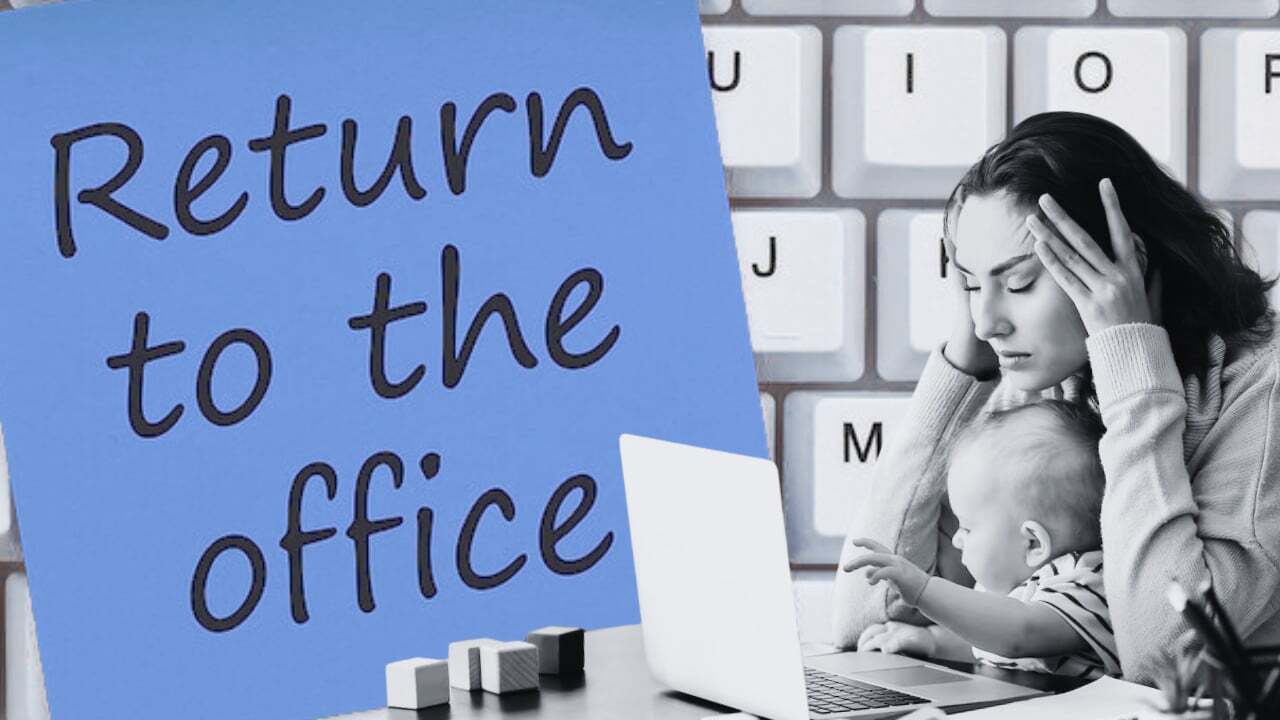
ONTARIO, CANADA — As companies across Canada enforce return-to-office (RTO) mandates, working mothers are facing a disproportionate burden.
CTV News reports that the reversal of remote work policies is exacerbating the “motherhood penalty” and creating new challenges for caregivers trying to balance professional and family responsibilities, a shift that risks undoing the progress made during the pandemic.
Return-to-office erases pandemic gains
The move to return to the office is undoing one of the pandemic’s main gains: gender equity in the workplace.
According to Andrea DeKeseredy, a PhD student in sociology at the University of Alberta, remote work was giving mothers the essential equipment to cope with the unpredictability of family life.
This elimination of flexibility is a setback to the old, unequal caregiving relationships where mothers are supposed to do most of the domestic and emotional work.
The trend directly supports the “motherhood penalty,” where mothers face a massive pay reduction.
“After women have kids, they take a pretty big pay cut due to the family work conflict that stems from having all of these responsibilities in the home and also the responsibilities at work,” DeKeseredy explained.
She notes that in cases where only one parent needs to work remotely, it is the father, who earns more, while the mother is left to deal with sick days and home emergencies, as well as to fulfill her career needs.
“It really harms everyone, not just the kids, but the whole community,” she said.
The high cost of inflexible work
The influence of inflexible RTO requirements is not confined to specific households and has a negative effect at the community level.
In the absence of flexibility, sick days are quickly depleted, leading sick children to run to school and ill employees to come to work, thereby spreading sickness.
Such a state of affairs points to a paradox of flexibility. Although having a balance is important, remote work can cause resentment and lead to the belief that remote workers are less committed, which will eventually decrease their pay.
Additionally, the fix cannot be achieved through systemic changes to individual workplace policies. “Until we get to that point where employers are more understanding of the unpredictability of family life and the conflict that it causes, we’re not all just solely relying on Mom to shoulder those burdens,” she stressed.
With organizations implementing return-to-office policies, the future of work will remain a contentious arena, with corporate flexibility policies directly influencing overall societal welfare and gender equality.







