
University of Florida’s return-to-work mandate stirs unrest, gridlock

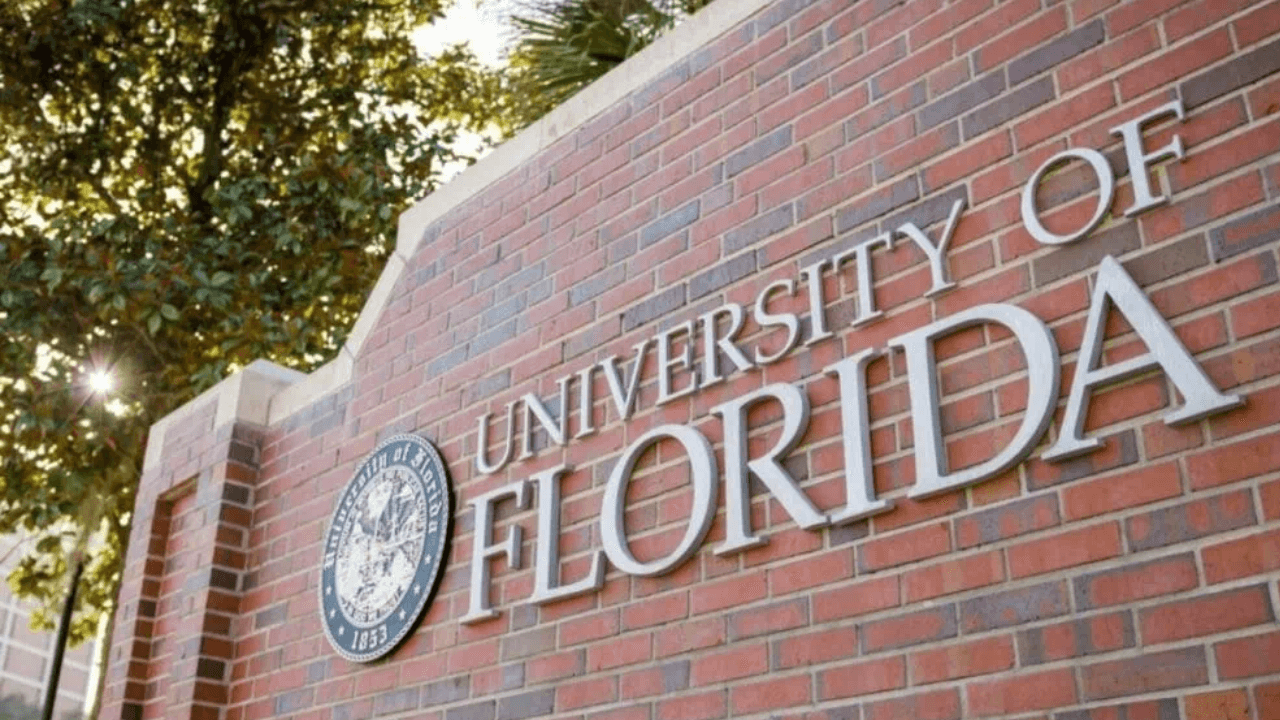
FLORIDA, UNITED STATES — The University of Florida’s (UF) full return-to-work mandate, effective in August, has created significant logistical challenges and employee dissatisfaction.
According to an article published in The Independent Florida Alligator by Swasthi Maharaj, the policy, which revoked most pandemic-era hybrid and remote agreements, has resulted in severe traffic congestion, scarce parking, and concerns over staff retention and morale.
“Now to lose this hybrid work agreement, I already feel really disillusioned about it,” said an IT employee at UF.
Commutes bring new financial strain
Commutes are becoming significantly longer, as one of its employees has to commute to work an extra 100 miles a week, and the hassle of parking is costing the employees a lot and making their lives a lot more stressful.
This is a literal financial blow to many people, as well as showing itself in the form of higher fuel prices and the mandatory $420 annual parking permit.
These challenges are compounded by external factors that limit alternatives. Recent cuts to the local RTS bus routes have made public transportation an unreliable option for a timely commute.
Furthermore, rigid 8 in the morning start times, as noted by staff union member Quinnton Cooper, create additional strain for employees with school-age children, making their daily schedules nearly impossible to manage efficiently.
“I already get up early because I do a lot in the morning before I get to work,” said Cooper. “That’s not cool.”
Debate over productivity and retention
The university defends the mandate as a necessary return to normality, emphasizing the value of in-person collaboration. Provost Joe Glover acknowledged unpleasant traffic but stated the importance of having people on campus.
“The university perceives there is a value to having people on campus so they can interact, serve students and get their work done most efficiently,” said Glover.
However, many employees and experts counter that the move is a strategic misstep that decreases overall efficiency. They argue the policy introduces unnecessary strain, increases personal expenses, and forces university buildings to consume more electricity.
An alumna and former employee, Emily Hickey, said, “It’s a very bad business move,” for an institution already desperate for staff and experiencing high turnover.
Facing a backlash over gridlock and grievances, the university is now under increasing pressure to reconsider its rigid mandate and explore hybrid solutions that balance operational needs with the well-being of its workforce.







