
India lawmakers debate bill pushing right to disconnect from work

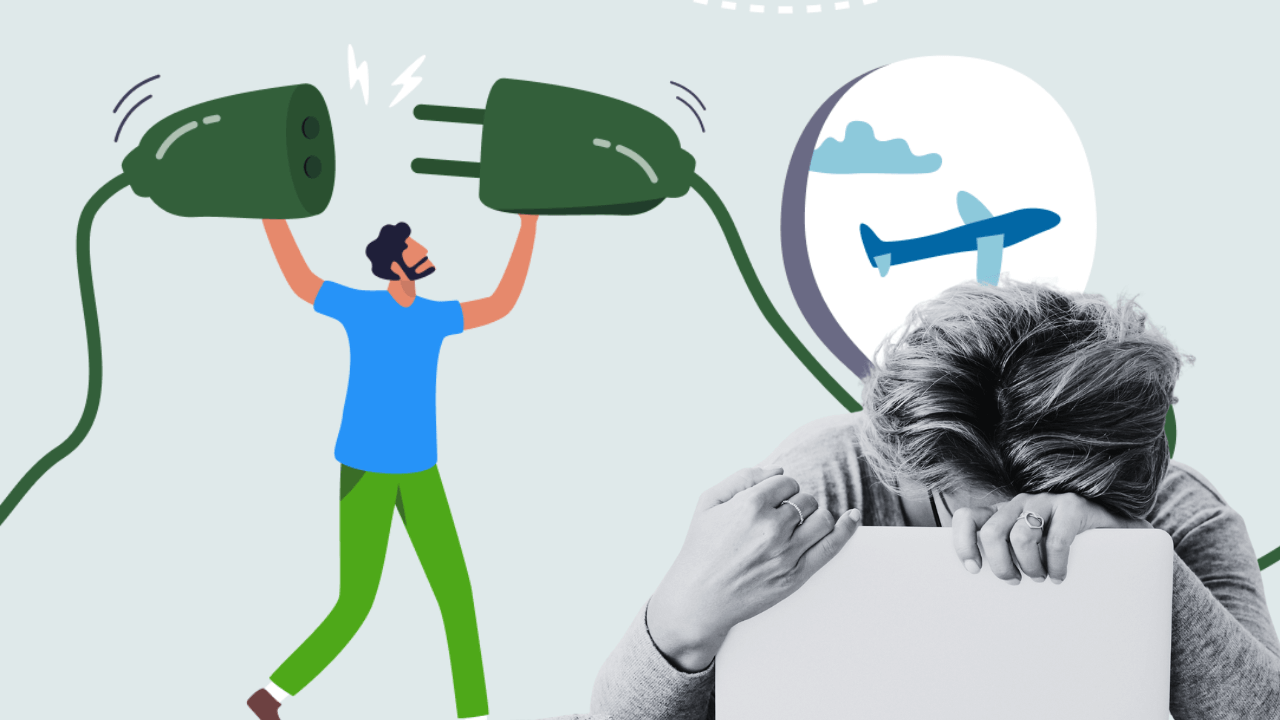
NEW DELHI, INDIA — A legislative proposal entered India’s parliamentary discourse, aiming to legally protect employees from after-hours work communications.
Introduced as a private member’s bill by Nationalist Congress Party MP Supriya Sule, the “Right to Disconnect Bill, 2025” seeks to establish enforceable boundaries between professional and personal life, directly addressing burnout and unpaid overtime fueled by digital connectivity.
Legislating India’s digital overwork culture
The Right to Disconnect Bill is a legislative initiative that is a direct response to the prevailing culture of being online, particularly due to the use of digital communication devices.
The plan requires that employees have the right to avoid work-related communication of any form, such as calls and emails, during time off duty and during holidays.
It is this fundamental provision that is meant to address the phenomenon of telepressure, the unremitting desire to reply to work messages, and the phenomenon of info-obesity, the state of cognitive overload through the continuous monitoring of the digital, which is harmful to mental health, leading to sleep deprivation and emotional fatigue, as mentioned in the bill.
To enforce the law, the bill proposes concrete penalties for companies that violate these provisions, including a financial penalty equal to 1% of the overall remuneration the company pays to its employees.
The bill would change the culture of the organizations, making employers respect personal time as a systemic workplace risk that should be addressed through legal means.
Sule reinforced this intention in an X post, saying, “It fosters a better quality of life and a healthier work-life balance by reducing the burnout caused by today’s digital culture.”
Bill provisions for employee well-being
In addition to establishing limits on communication, the bill offers a comprehensive reconsideration of employer-employee relations in the digital era, connecting disconnect rights with overhauls of welfare and compensation.
One condition is fair compensation, under which employees who work outside office hours should be paid overtime at their usual hourly rate.
The bill also includes proactive wellness measures, such as counseling services to encourage safe use of digital tools and the establishment of digital detox centers. These are designed to help employees forget work-related distractions and return to their personal environment.
It is part of a broader legislative package of Sule, including the Paternity and Paternal Benefits Bill as well as a related amendment to the Code on Social Security to safeguard workers in the gig economy, as part of a wider campaign to revise Indian employment laws to focus on comprehensive worker welfare due to changing work patterns.
79% of employers support India’s disconnect law
The introduction of the bill is a way to capitalize on a considerable popular mood, with a poll cited in the context showing that 79% of employers perceived right-to-disconnect laws favorably and that 88% of workers said they were contacted outside work hours.
It sparks discussion about the legal frameworks required to support work-life integration in an age when digital devices have forever changed the boundaries between the workplace and personal space.
The proposal highlights an international discussion that is now extending to the legislature of India, presenting the question of the sustainability of the current working methods and the legal duty to take care of employees outside of the physical workplaces.
India’s proposed right to disconnect, should it become law, represents a legislative landmark that would forcefully recalibrate the social contract of work, setting a precedent by legally defining digital quiet hours as a non-negotiable component of sustainable employment.







