
Saudi hospital’s 24/7 virtual emergency care serves 23,500 patients

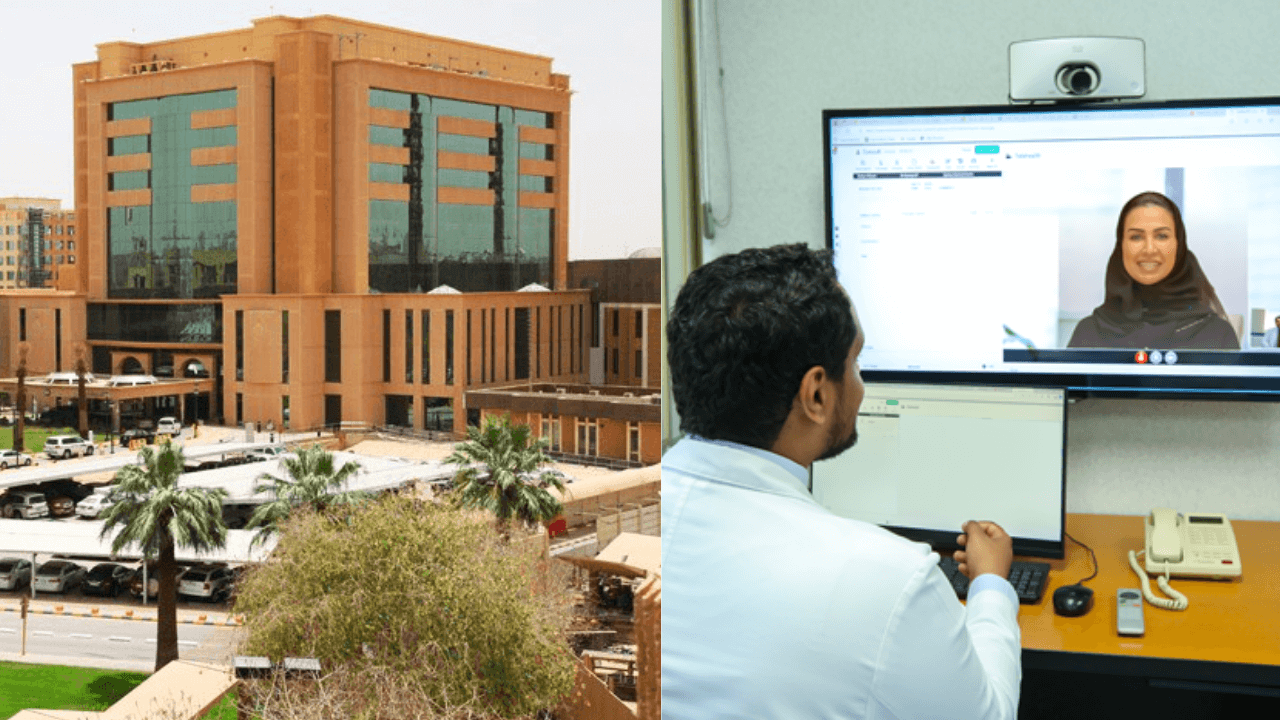
RIYADH, SAUDI ARABIA — King Faisal Specialist Hospital & Research Centre (KFSHRC) in Saudi Arabia has introduced a 24/7 Emergency Department Virtual Clinic, providing over 23,500 consultations in its first year and alleviating pressure on its emergency rooms.
In a press release from KFSHRC, the pioneering model allows patients across the Kingdom to access specialist care remotely, a move that experts say could offer lessons for United States healthcare providers grappling with overcrowded emergency departments and resource constraints.
Virtual ER expands access across Saudi Arabia
Launched at the beginning of 2024, the virtual clinic was designed to address a persistent challenge: nearly 70% of KFSHRC patients reside outside Riyadh, Jeddah, and Madinah, far from the hospital’s main centers.
Many of these patients have complex medical conditions that local facilities may struggle to manage during urgent episodes.
The hospital reported that the platform provides patients with immediate clinical guidance, minimizing unnecessary travel and preventing delays in care.
Stable cases are managed remotely, while severe symptoms, such as chest pain or altered consciousness, are referred to the nearest in-person emergency department.
Medications are delivered directly to patients’ homes when needed, further reducing hospital visits and supporting continuity of care.
For U.S. health systems, this model demonstrates how virtual triage and specialist guidance can optimize emergency department utilization, improve patient outcomes, and extend care to underserved or rural populations.
Hospitals and clinics could potentially adopt similar workflows to minimize overcrowding while maintaining high-quality care.
Tele-emergency model boosts efficiency and specialist support
On average, 2,000 patients a month rely on the service, many of whom would otherwise contribute to emergency room congestion. The model has expanded to include specialties such as adult hematology, cardiology, and pharmacy consultations.
Patients with chronic or advanced illnesses now receive timely support for symptoms, medications, and side effects, highlighting the demand for remote specialist input.
KFSHRC emphasized that the initiative is part of a wider strategy to improve access to specialized care, boost system efficiency, and strengthen the national healthcare ecosystem by giving local physicians immediate access to expert guidance for complex cases.
For U.S. healthcare providers, the virtual ER concept could offer a blueprint for enhancing operational efficiency, supporting primary care physicians, and ensuring timely specialist intervention without physically overcrowding hospitals.
As the model proves successful internationally, American health systems may increasingly explore similar institution-based tele-emergency programs.
KFSHRC’s recognition as the top hospital in the Middle East and Africa, and its global ranking among the best academic medical centers, underscore the potential of virtual emergency care as a viable and scalable model for healthcare systems worldwide.







