
South Africa, Nigeria break into top 10 outsourcing destinations

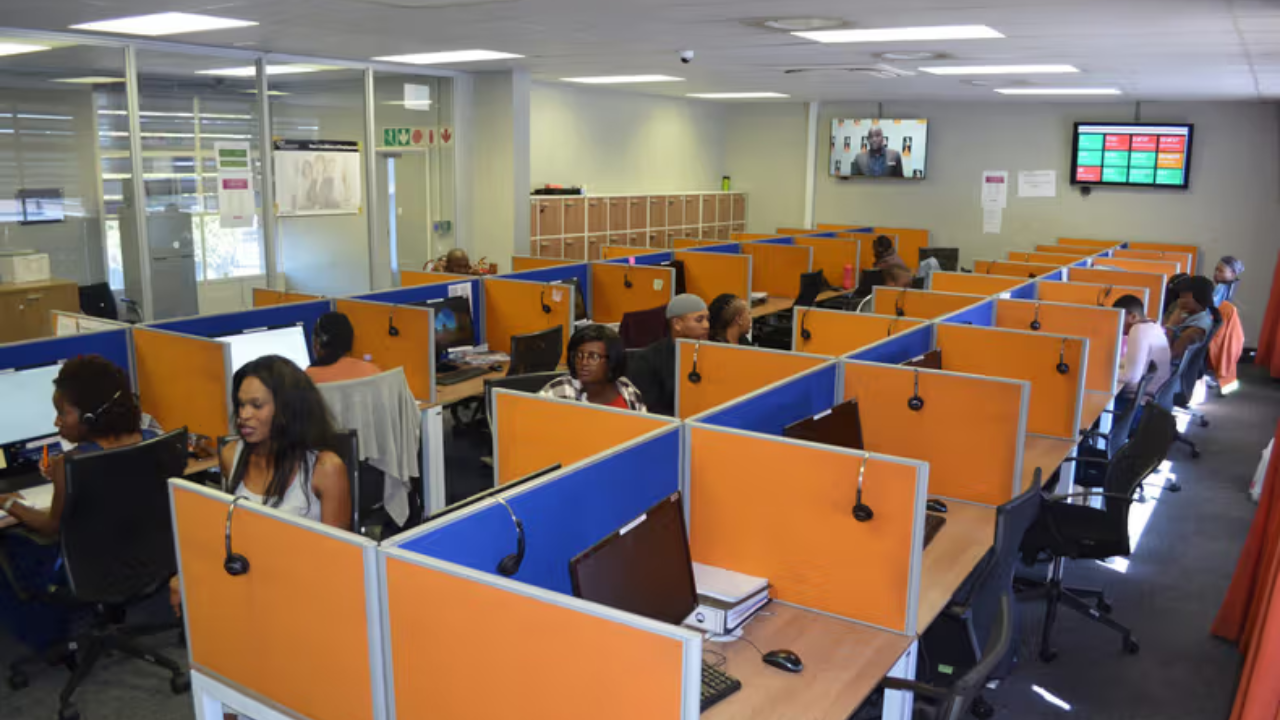
- South Africa and Nigeria ranked 5th and 6th among outsourcing destinations
- The index scores all 193 UN-recognized countries on five variables
- Kenya placed 11th, Egypt 15th and Ghana 17th
- The global BPO market should reach $695.77 billion by 2033
LAGOS, NIGERIA — South Africa and Nigeria have cracked the world’s top 10 outsourcing destinations for the first time, ranking 5th and 6th in the 2026 Global Outsourcing Talent Index — a milestone that signals Africa’s accelerating challenge to traditional service hubs in Asia and Eastern Europe.
The ranking, produced by Ataraxis, comes as multinational firms diversify their global delivery footprints in search of lower-cost labor, English-speaking talent and scalable digital workforces.
According to a report from Business Insider Africa, the shift arrives at a pivotal moment for the global business process outsourcing (BPO) market, which is on track to more than double by 2033, opening fresh competition for U.S. enterprise contracts.
How South Africa and Nigeria earned top 10 status
The Global Outsourcing Talent Index evaluates all 193 UN-recognized countries across five weighted variables: labor cost, English proficiency, talent availability, digital infrastructure and political and business stability.
South Africa’s strong digital infrastructure and established corporate services sector anchor its position, while Nigeria leverages a large English-speaking workforce and relatively low labor costs to attract scale-driven contracts.
Other African markets are climbing the rankings as well, with Kenya in 11th place, Egypt in 15th and Ghana in 17th — evidence that the continent’s outsourcing footprint is widening rather than concentrated in two markets.
“South Africa’s strong digital infrastructure and established corporate services sector continue to anchor its position as a leading outsourcing hub on the continent,” the report stated, framing the country as Africa’s most mature service exporter.
A booming global market and a widening continental divide
The new African contenders are entering a market in rapid expansion. The global BPO sector was valued at $328.37 billion in 2025 and is projected to reach $695.77 billion by 2033, growing at a compound annual rate of 9.9%, fueled by rising demand for specialized services in healthcare, finance and IT, alongside the spread of remote and hybrid work models.
Yet Africa’s outsourcing story remains uneven, with countries such as Somalia, Eritrea, Central African Republic, Sudan and Libya ranking among the least competitive destinations due to weak political stability, limited digital infrastructure and poor talent retention.
“The contrast highlights a widening global divide: while leading African markets are integrating into high-value service exports, others remain constrained by persistent structural and institutional challenges,” the report concluded.
The rise of South Africa and Nigeria reflects a broader recalibration of the global outsourcing industry, where U.S. firms are no longer treating India and the Philippines as default destinations.
As enterprise buyers prioritize delivery resilience, time-zone alignment with European clients and access to underserved talent pools, Africa is positioning itself as the next major front in the offshore services race — and the top-tier African markets are now competing for contracts once locked in by Asia.
Related news
- Hugo, other BPOs lead Outsourcing Impact Review 2025 · 20 Oct 2025
- Egypt to train 800K tech workers in 2026 to feed global demand · 8 Jun
- Central, Eastern Europe has $43Bn in knowledge services yet undersells them · 10 Jun
Disclosure: Outsource Accelerator uses AI tools in the backend of its editorial workflow. Every article is reviewed and verified by a human editor before publication.
Stay ahead of the outsourcing industry. Join thousands of business leaders who rely on Outsource Accelerator for the news, trends, and expert insights that matter. Subscribe to our free newsletter and never miss an update.








