
Tech, HR teams unite to navigate workforce shift due to AI

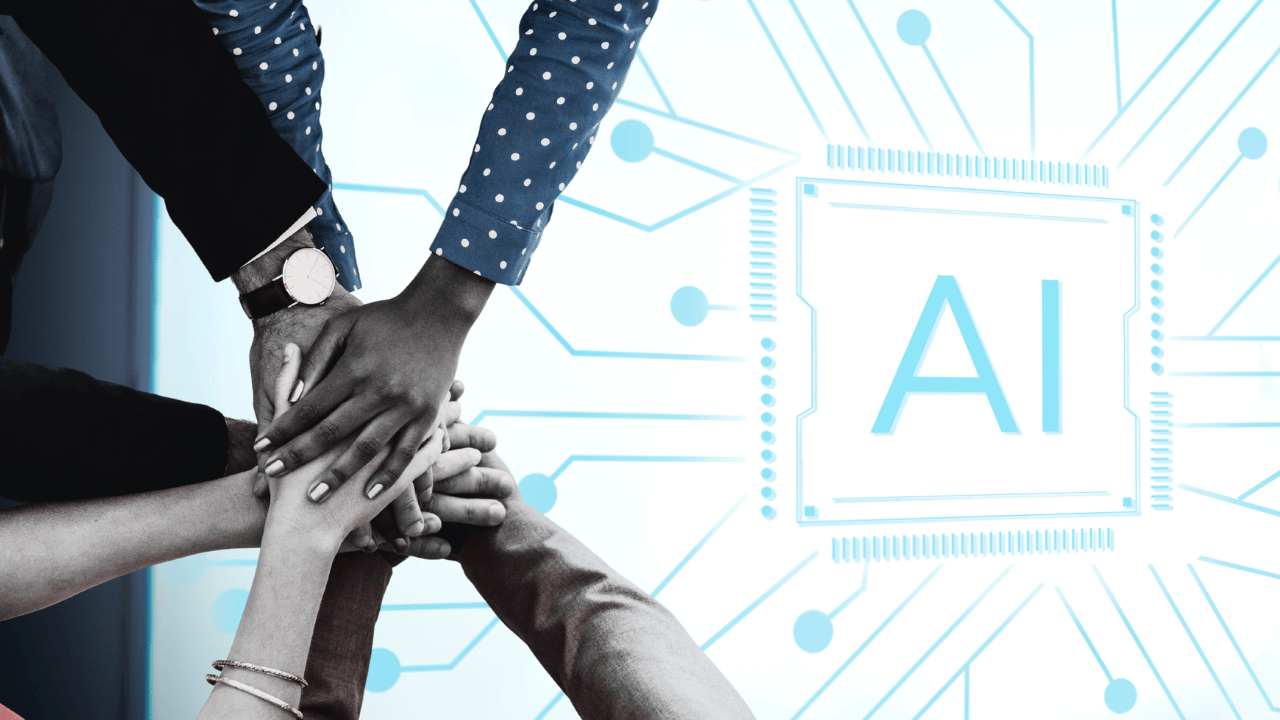
NEW YORK, UNITED STATES — Faced with the quick rise of artificial intelligence (AI), technology and human resources teams in companies are coming together to manage how AI is used in the workplace, trying to find a balance between using machines and changing how work is done.
This collaboration aims to integrate AI agents as “digital co-workers” and mitigate job losses, as companies acknowledge that the technology is already triggering white-collar job cuts and fundamentally reshaping organizational structures.
“That will be an interesting frontier where we’ll work closely with HR and figure out, ‘Does [the previous] chain of command still make sense in an AI agent world?’,” said Cisco Chief Information Officer (CIO) Fletcher Previn.
IT, HR join forces on AI workforce strategy
According to The Wall Street Journal, the CIOs and HR leaders have now been given a common responsibility: to educate employees on how AI can be utilized and how to cope with the cultural shift that will accompany it.
At companies like Cisco, this involves IT and HR working together to redesign the organizational chain of command to accommodate a “virtual staff of AI entities” working alongside its 86,200 human employees.
This structural integration takes various forms, demonstrating a unified front to address the technological and human capital challenges simultaneously. Indeed has established a “transformation office” within its technology team that works closely with HR to scale AI solutions, leveraging HR’s expertise in learning and development.
Similarly, Microsoft has created a dedicated workforce transformation group, operating as an extension of the CEO’s office, to collaborate directly with both IT and HR in charting the course for AI’s impact on its 228,000-person workforce.
“Business transformation is about changing how we all as humans are doing our work, and therefore HR is an incredibly important enabler to create the flexibility to learn and evolve, but also to chart the course,” noted Katy George, Corporate Vice President of Workforce Transformation at Microsoft.
Balancing job disruption and productivity gains
A sharp duality characterizes the corporate AI implementation, as it serves both as a mechanism for job displacement and a tool for employee augmentation.
There are growing signs of trouble; Microsoft has reduced its workforce by 15,000 jobs in recent months, and PricewaterhouseCoopers (PwC) is laying off support staff as part of restructuring processes related to new technology.
A larger industry report stated that United States companies cited the influence of AI as a primary factor behind declaring 153,074 job cuts in one month, nearly three times the number of job cuts reported in the prior month.
At the same time, another significant priority of the IT-HR alliance is to position AI as a non-threatening productivity tool, or a digital co-worker. Companies such as cloud-security provider Netskope are proactively making efforts to alter the perception of employees, positioning AI agents as productivity boosters, rather than direct substitutes.
This attempt is necessary because IDC statistics indicate that, in the near future, 40% of jobs in large businesses will require communication with AI agents. However, it also warns of AI-associated burnout, which can lead to a decline in workforce productivity, underscoring the high stakes of this cultural and operational shift.
Beneath the promise of a digital coworker lies a stark reorganization of work itself, navigating both soaring productivity and soaring anxiety in the face of AI impact.







