
Telehealth model solves psychiatrist shortage in rural U.S. region

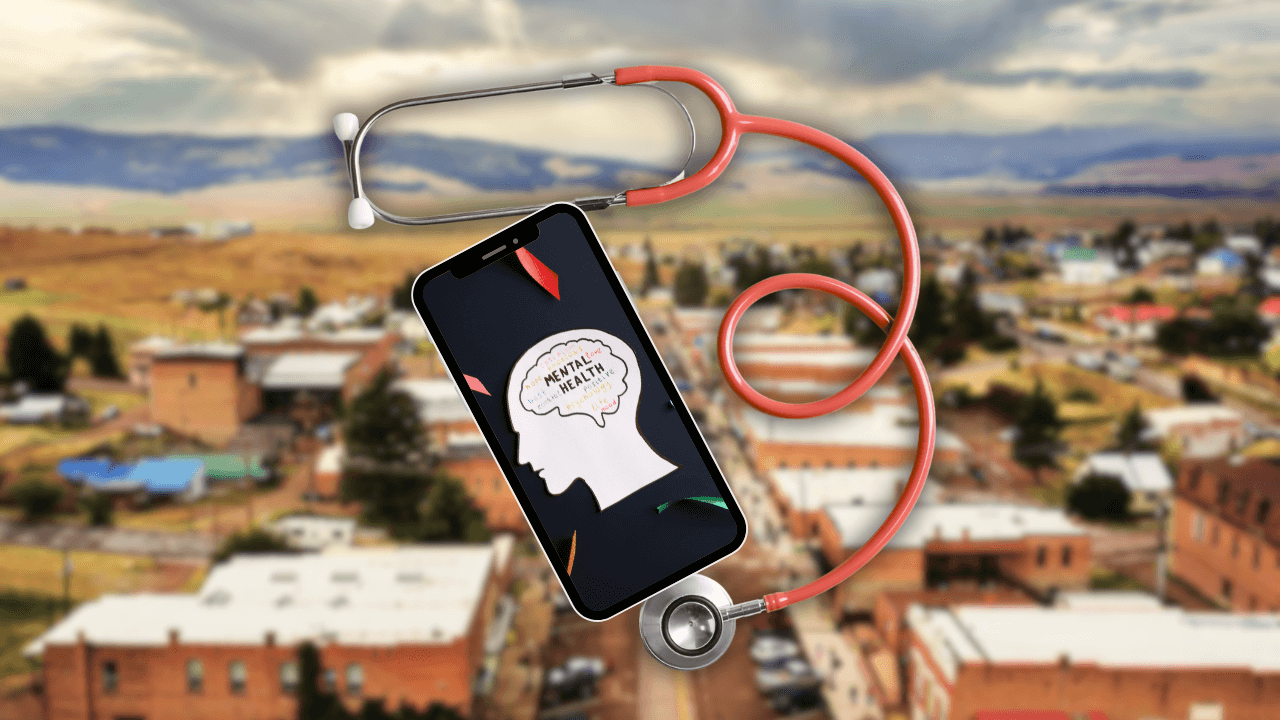
ILLINOIS, UNITED STATES — Access to mental health services across 53,000 square miles of eastern Montana has shifted from weeks-long waits to same-day connections, as a decades-old telemedicine network reshapes how rural providers deliver care.
According to a report from Healthcare IT News, the Eastern Montana Telemedicine Network (EMTN) functions as a telehealth system which health organizations can use to establish enduring mental health treatment facilities in regions that experience both psychiatrist shortages and geographic difficulties and have high suicide rates.
Bridging the rural mental health gap via telehealth
Rural America continues to struggle with the poor provisions of mental and behavioral healthcare, and Montana is almost no different.
“In rural America broadly, adults with mental illness are 1.5 times less likely to receive treatment than urban residents – and more than 70% of rural counties lack a psychiatrist,” said Jody Haines, director of telehealth services at Billings Clinic and a leader within the EMTN.
“In Montana, roughly 60% of residents live in areas with mental health professional shortages, with many rural counties having few or no practicing psychiatrists, psychologists or addiction counselors,” she said.
“And nearly half of Montanans who need care report cost as a barrier,” she added.
For hospitals and clinics, those shortages translate into mounting emergency department volumes, delayed treatment and workforce strain.
“In 1993, there were no psychiatrists practicing in the eastern one-third of the state,” said Mark Horn, manager of telehealth at Billings Clinic, underscoring the scale of the challenge.
“Montana is the fourth-largest state; this area covers roughly 53,000 square miles,” Horn added.
In 2019, the region had only one psychiatrist who provided active medical services. According to an issue brief from Montana Healthcare Foundation, 51 out of 56 Montana counties were designated mental health professional shortage areas in July 2025.
“Because of the vast distances and lack of providers available, many patients’ only option to receive mental health services is through telehealth,” Horn said.
Expanding capacity via hub-and-spoke telepsychiatry
EMTN started its operations in 1993 and uses a hub-and-spoke system to operate its network which consists of Billings Clinic as the central hub.
More than 30 hospitals and care facilities that extend throughout Montana and northern Wyoming as its spokes. The COVID-19 pandemic caused direct-to-patient virtual visits to become the main method of delivering medical services.
“Over the past five years, since the COVID pandemic, we have really reshaped the way we get to deliver this care to patients, essentially making geography irrelevant and creating healthier communities, one person at a time,” Haines said.
“The direct-to-patient telehealth flexibility and regulatory permanence has really been the biggest modality opportunity,” Haines added.
For United States health systems facing similar shortages, the model demonstrates how telepsychiatry pools, inpatient coverage and home-based visits can expand capacity without adding full-time local staff.
“By offering these via telehealth, we have seen access to these essential mental and behavioral health services skyrocket – allowing patients to connect with providers within hours, not weeks,” Haines said.
“Through the continual commitment to optimizing patient care, these differing telehealth use cases have allowed us to continually innovate, providing better continuity and patient outcomes for those we serve,” Haines added.








