
U.S. firms turn to Asia for outsourced coders as AI talent gap widens

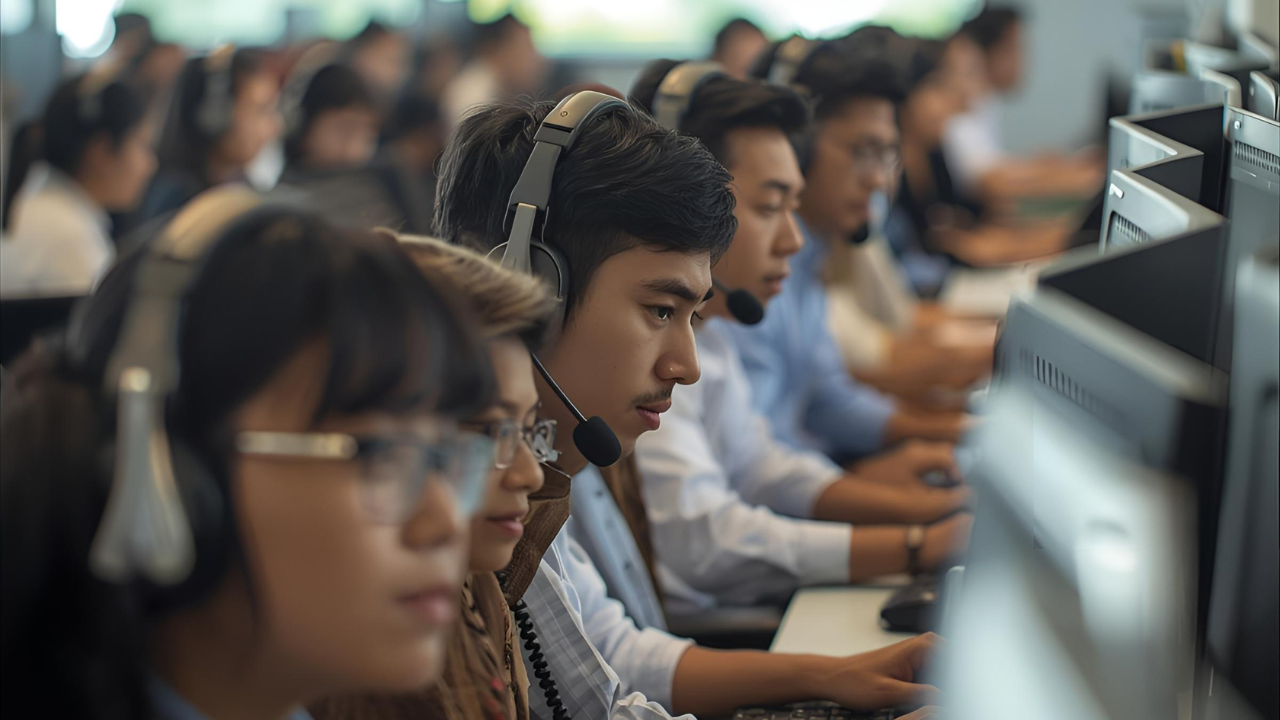
CENTRAL REGION, SINGAPORE — As the race for artificial intelligence (AI) expertise heats up, American companies are increasingly turning to Asia to find the talent they can’t secure at home, according to a Tech in Asia report.
Rising salaries, intense competition, and a shortage of AI specialists are pushing American firms to outsource software development and AI projects to cost-effective teams in Southeast Asia and India.
Asia’s cost edge, AI expertise attract U.S. firms
Outsourcing has long been a go-to strategy for U.S. businesses, but in the age of AI, it has gained new urgency.
Firms in the Philippines, Vietnam, and India have become pivotal players in this shift.
First Mate Technologies, based in Manila, has doubled its U.S. client base in just a year by helping startups build products that attract investors and top executives.
“We come in, we build a product, and with our work, the startup can attract a CTO,” said Hiro Yamada, CEO of First Mate. “That formula has happened more than once, and it helped our clients raise funding.”
Similarly, Vietnam’s Rabiloo and CX Genie are offering tailored AI solutions, from chatbots to image recognition tools, that extend well beyond basic coding services.
“Most of the time, companies are unsure how to incorporate AI into their operations,” said Kien Ta Trung, vice-president at Rabiloo. “So we are there to help them figure that out.”
Cost efficiency remains a key driver, as entry-level AI engineers in the U.S. command an average annual salary of $69,000, compared to $14,000 in the Philippines and under $30,000 in Vietnam.
This stark difference allows Asian firms to offer entire teams for less than the price of a single U.S. hire. But industry leaders emphasize that it’s not just about savings, it’s about speed, flexibility, and specialized expertise.
Startups seek scalable AI partnerships, not just savings
Flexible contracts and scalable setups are further fueling demand. Startups often prefer six- to twelve-month agreements, giving them the freedom to focus on growth while outsourced teams handle development.
Providers like India-based Heizen even offer weekly payment models to lower risks for small enterprises testing AI’s potential.
Equally important is the trust factor. Companies such as Swarm in Manila have built networks of vetted AI teams, helping global players like Samsung connect with reliable developers.
With AI still an experimental field for many, having a trusted partner who can guide implementation is often more valuable than the cost savings alone.
AI outsourcing shifts from cost driver to value creator
The surge in AI outsourcing underscores how the industry is evolving from a cost-driven practice into a value-driven partnership model. For the outsourcing sector, this is more than a short-term spike in demand; it’s a sign of transformation.
As AI reshapes industries, firms in Asia are moving from being support arms to becoming strategic partners, positioning themselves at the heart of global innovation.








