
U.S. pharmacies push Congress to curb PBM power, protect access

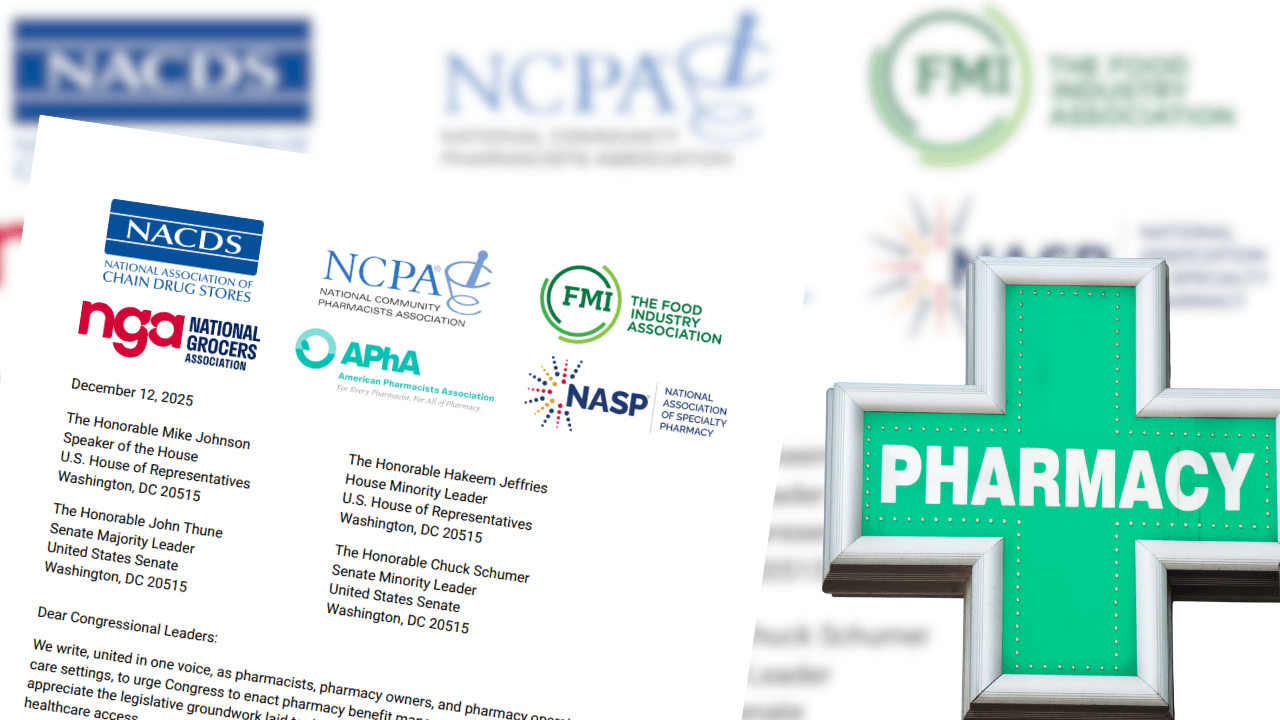
VIRGINIA, UNITED STATES — A coalition of United States pharmacy organizations is pressing Congress to act immediately on pharmacy benefit manager (PBM) reform, warning that delays are hurting patients and healthcare providers alike.
In a joint letter to congressional leaders, the groups emphasized that unchecked PBM practices are driving up drug costs, reducing patient access to pharmacies, and straining health systems across the country.
Accelerating pharmacy closures threaten patient access
“PBM reform is a win within reach for patients and for the pharmacies that serve them, yet procedural and political delays have left it unresolved, while the consequences mount,” the coalition wrote in its letter to House and Senate leadership.
The groups highlighted alarming trends: pharmacies are closing at a net rate of more than six per day, up from nearly four per day in previous years. Over the past year alone, more than 2,200 pharmacies have shuttered, contributing to a 13 percent net loss of pharmacies since 2018.
For hospitals, clinics, and other healthcare providers, these closures have ripple effects.
Reduced pharmacy availability can slow prescription fulfillment, complicate care coordination, and increase administrative burdens on clinical staff.
Health systems that rely on outpatient and specialty pharmacies may face higher operational costs as patients travel further or turn to higher-cost alternatives.
“Without PBM reform, patients are experiencing inflated drug costs, and many no longer have access to the pharmacy of their choice as pharmacies close and others are pushed out of network,” the letter warned.
Proposed reforms could stabilize healthcare delivery
The coalition outlined several measures it says are essential for meaningful reform. These include Medicaid managed care pharmacy payment reform, a ban on spread pricing, and requirements for fair reimbursement based on National Average Drug Acquisition Cost (NADAC) benchmarks.
They also call for Centers for Medicare & Medicaid Services (CMS) oversight to enforce “reasonable and relevant” Medicare Part D contract terms, ensuring that “any willing pharmacy” can serve patients.
More than 50 million Medicare Part D beneficiaries depend on PBM-managed plans, making these reforms critical to maintaining access to essential medications.
The coalition stressed the urgency of congressional action, noting that PBM reform has already achieved bipartisan support in past discussions.
“The consensus is broad, the policy is developed, and the consequences of inaction are compounding. We stand ready to assist with swift enactment and implementation,” the letter stated.
For healthcare providers, enacting PBM reform could mean more predictable pharmacy partnerships, improved patient adherence, and reduced strain on clinics and hospitals navigating fragmented pharmacy networks.
With mounting closures and rising drug costs, industry leaders say swift congressional action is crucial to safeguarding both patient care and the financial stability of health systems.







