
U.S. to deny visas for immigrants with chronic illnesses

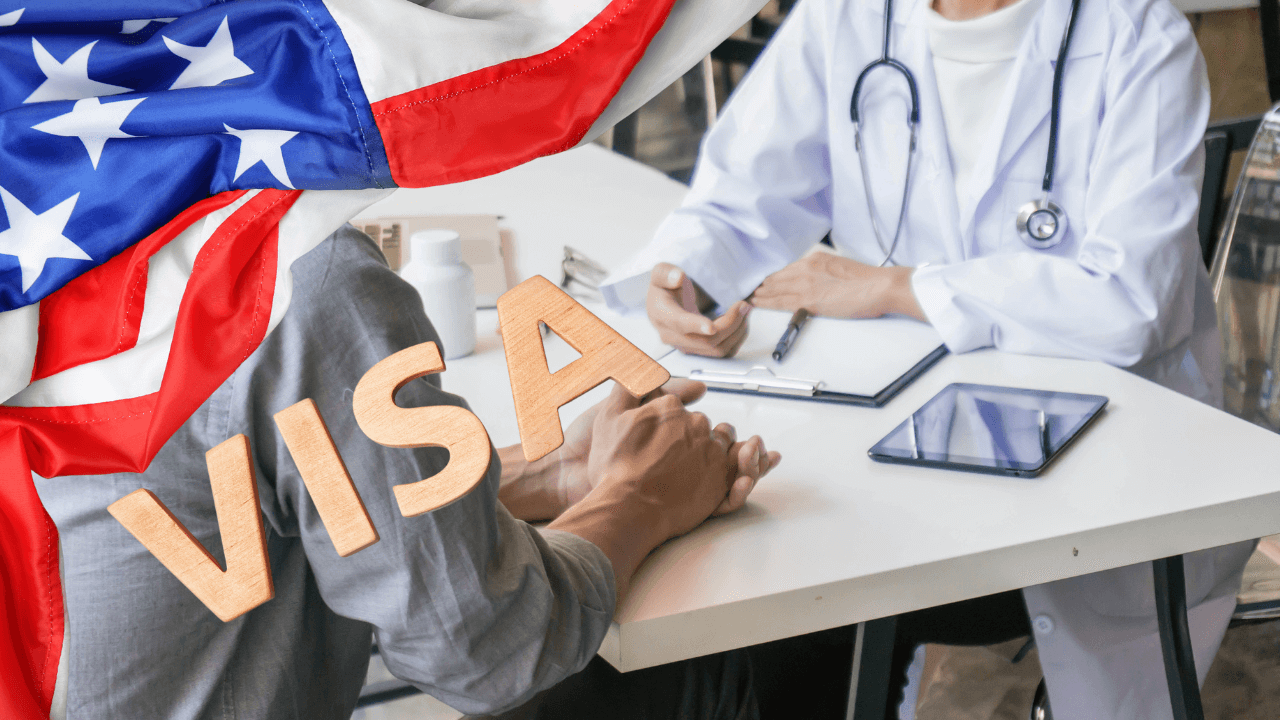
WASHINGTON, UNITED STATES — Foreign nationals seeking to live in the United States may face visa denials if they have chronic health conditions, under a new directive from the Trump administration, according to a report from KFF Health News.
The guidance, sent in a cable to U.S. embassies and consulates, instructs visa officers to consider conditions such as diabetes, obesity, cardiovascular disease, and certain mental health disorders when assessing applicants’ eligibility.
Broader health checks raise concerns
While medical screening has long been part of the visa process, the new guidance significantly broadens the list of conditions considered. “You must consider an applicant’s health,” the cable reads.
“Certain medical conditions—including, but not limited to, cardiovascular diseases, respiratory diseases, cancers, diabetes, metabolic diseases, neurological diseases, and mental health conditions—can require hundreds of thousands of dollars’ worth of care.”
Visa officers are also asked to assess whether applicants have sufficient financial resources to cover long-term medical costs without government assistance.
Legal experts warn that these assessments could be subjective. Charles Wheeler, a senior attorney at the Catholic Legal Immigration Network, noted that the directive asks officers to project “what could lead to some sort of medical emergency or sort of medical costs in the future.”
He said, “That’s troubling because they’re not medically trained, they have no experience in this area, and they shouldn’t be making projections based on their own personal knowledge or bias.”
Implications for employment and outsourcing
The policy could have ripple effects in industries reliant on immigrant labor, including outsourcing. Many U.S. companies and outsourcing service providers employ immigrant workers in various roles, including call centers and IT support.
Visa restrictions based on chronic illness may limit the pool of qualified candidates, particularly for positions requiring long-term employment.
Immigration lawyer Sophia Genovese highlighted that the directive encourages officers to consider how health may affect employment.
“Taking into consideration one’s diabetic history or heart health history—that’s quite expansive,” she said.
“If this change is going to happen immediately, that’s obviously going to cause a myriad of issues when people are going into their consular interviews,” she added.
The directive also asks officers to evaluate the health of dependents, including children and elderly family members, to determine whether applicants can maintain employment.
These new rules mark a sharp shift in U.S. immigration policy, emphasizing financial and medical considerations alongside the Trump administration’s broader goal of restricting immigration.







