
UAE eyes remote work for caregivers, 98-day maternity leave

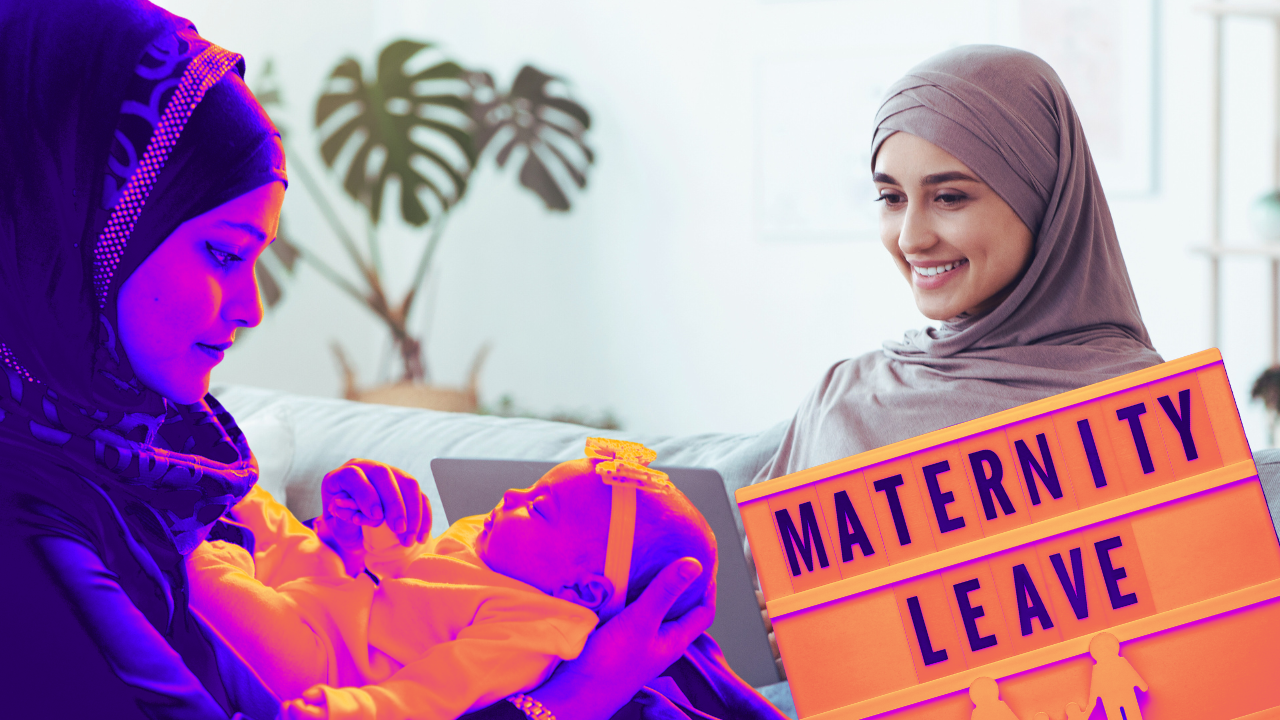
ABU DHABI, UNITED ARAB EMIRATES — In a significant legislative push, the United Arab Emirates is considering mandates to prioritize remote and flexible work for working mothers and caregivers.
Gulf News reports that the proposals, advanced by the Federal National Council (FNC) during a session, also include a recommendation to extend fully paid maternity leave to 98 days for government employees, aiming to bolster family protection and work-life balance nationwide.
Remote work priority for mothers and caregivers
The FNC has clearly stated that mothers of children under the age of ten, elderly parents, people of determination, and special humanitarian cases should be granted priority access to such work models. This program is also presented as a direct intervention to assist the social stability and the family.
The motion was championed by the Second Deputy Speaker of the FNC and the Chairwoman of the corresponding committee, Mariam Majid Bin Thania, who stated that the role of a caregiver is extremely important.
She stressed, “We affirm the importance of the mother’s presence alongside her children in the early stages of their lives, especially children with special needs and children under the age of ten, as well as women who care for their parents in their homes.”
Bin Thania explained that this recommendation builds upon the FNC’s consistent historical advocacy for prioritizing flexible work for these groups to help them balance professional and domestic duties without diminishing their role in national development.
Proposal for 98-day paid maternity leave
Along with the remote work program, the FNC has proposed an equivalent measure to increase maternity leave in the government.
This suggestion, developed through the debates in the overall report on Family Protection and the Concept of the Family Unit, also attended by the Minister of Family Affairs, Sana bint Mohammed Suhail, points to integrated family welfare lawmaking and to a reflection of the policy on international best practice.
All these proposals are a combined effort to enact public policy that allows workforce participation and provides familial care.
As Bin Thania notes, “The balance between a woman’s work and her home is an important demand, and this is evident from the policy pursued by the Ministry of Family since its establishment.”







