
Veterans Affairs rolls out AI, VR therapy to transform healthcare

WASHINGTON, UNITED STATES — The United States Department of Veterans Affairs is rolling out advanced digital tools to speed care, streamline operations, and expand therapeutic options for veterans, marking one of the most ambitious healthcare modernization efforts in recent years.
According to a report from Healthcare IT News, nationwide deployment of an AI-driven operational system and the expansion of virtual reality (VR) therapies are aimed at cutting administrative bottlenecks and improving patient outcomes, officials said.
The initiative is expected to have broad implications for hospitals, clinics, and other healthcare providers across the country.
AI streamlines operations across VHA medical centers
The Veterans Health Administration (VHA) recently deployed an agentic artificial intelligence (AI) operating system across more than 150 medical centers and outpatient facilities, according to Salesforce, the platform behind the technology.
The system integrates with a unified Slack communications platform, connecting 370,000 clinicians, administrators, and caregivers.
“When the system flags a potential issue—such as egregious wait times at a VA medical facility or poor patient satisfaction—the AI automatically assembles a dedicated Slack channel, populates it with the relevant information, and pulls in relevant medical center directors and subject matter experts,” Salesforce said in a statement.
“It enables us to cut costs, create efficiencies and focus more time and energy on front-line veteran care,” said Josh Geiger, senior advisor to the VHA chief operating officer, highlighting the impact on frontline care.
For healthcare providers, the AI system demonstrates how technology can reduce operational silos, accelerate decision-making, and enhance care coordination.
Outsourcing administrative tasks like data integration and workflow automation could further improve efficiency for large hospital networks and clinics.
VR therapy expands for chronic pain and mental health
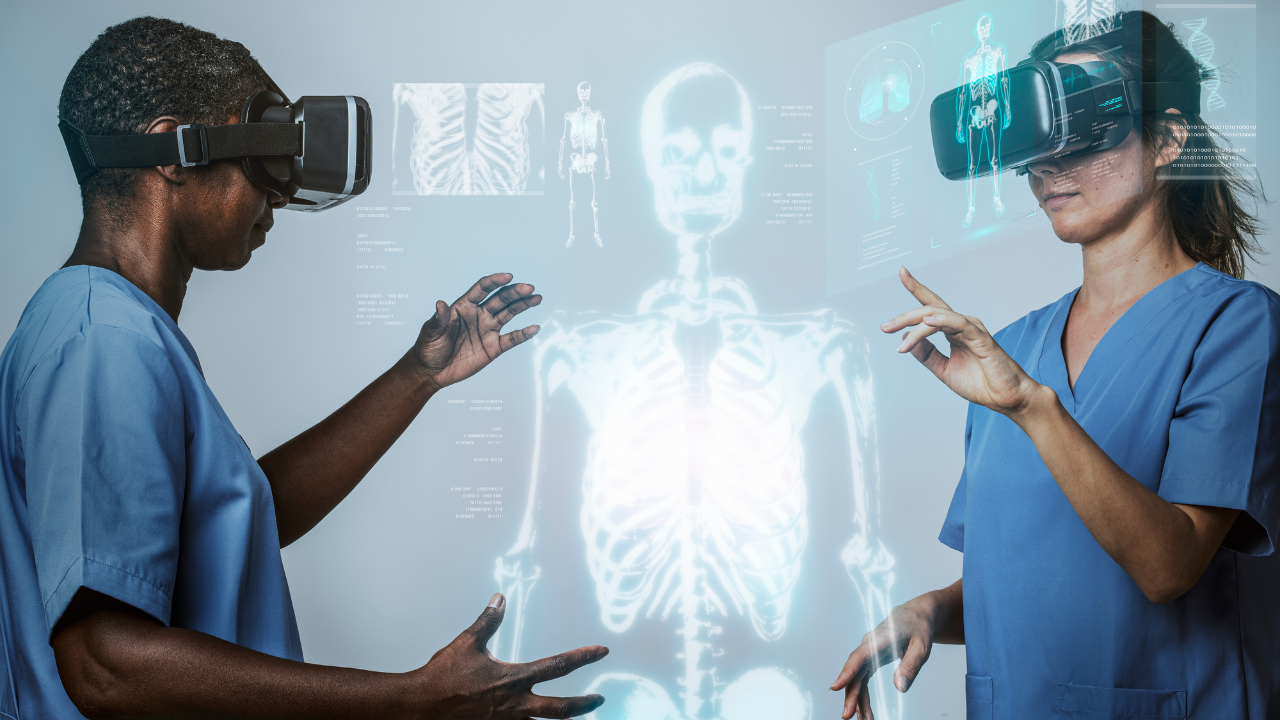
The VA is also expanding prescriptive VR therapies through Mynd Immersive to 45 medical centers. The platform supports at-home management of chronic pain, anxiety, and stress.
Clinical studies previously conducted in Pennsylvania and Mississippi showed a 46.7% reduction in pain intensity, a 37.39% reduction in anxiety, and a 34.52% decrease in distress, Mynd said.
“It gives doctors and clinicians a powerful new digital tool that is highly effective and scalable,” said Chris Brickler, Mynd’s CEO and cofounder.
Content for veterans includes neuroscience-based pain management programs, breathing exercises, and immersive experiences such as “Virtual Vietnam: A Path to Peace.”
Hospitals and clinics can learn from these programs as a model for integrating digital therapeutics into routine care.
Meanwhile, the VA’s Enterprise Scheduling System now connects 27,000 community care providers, allowing staff to book up to 25 appointments a day, significantly faster than prior processes.
VA Secretary Doug Collins said the system helps veterans “choose the healthcare that’s best for them, whether at a VA facility or a community provider.”
As the VA embraces AI, VR, and digital scheduling, healthcare systems nationwide may look to similar solutions—and potential outsourcing partnerships—to streamline operations, improve patient experiences, and enhance clinical outcomes.







