
Virtual staffing expands globally as industries face challenges

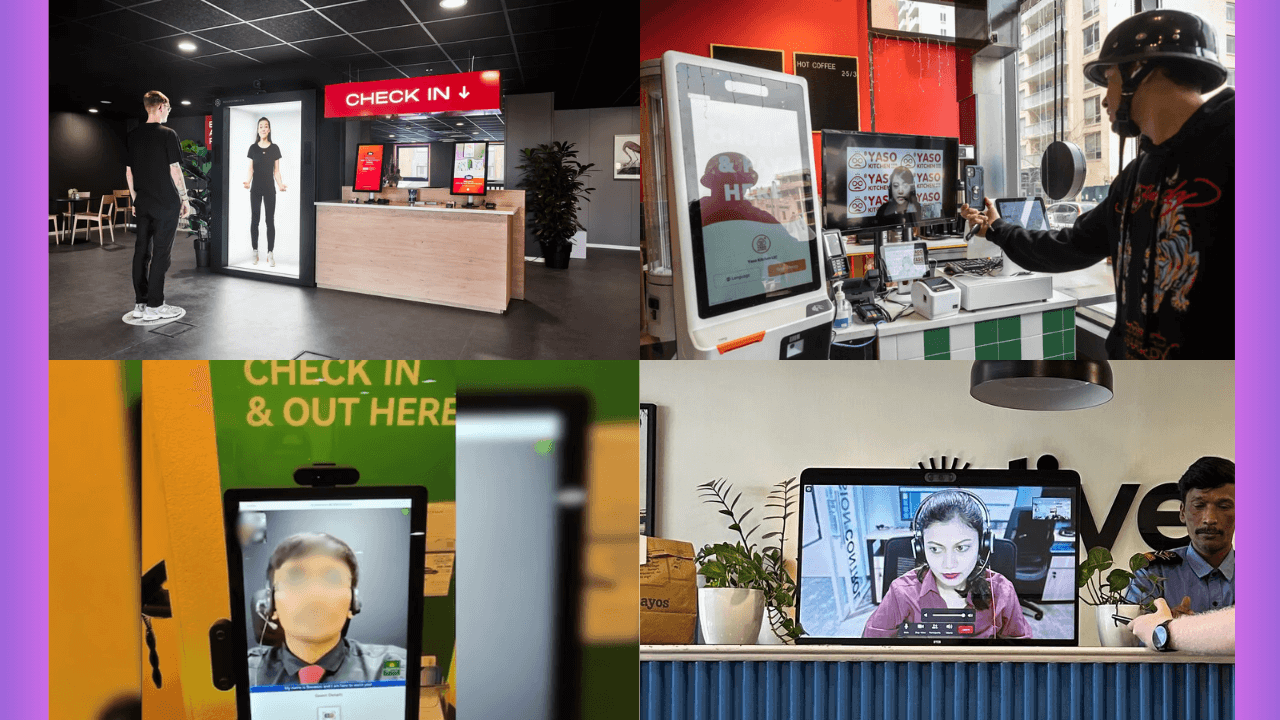
MANILA, PHILIPPINES — Businesses across the world are increasingly turning to virtual staffing solutions to fill roles in hospitality, healthcare, and legal services.
While the model offers cost savings and flexibility, concerns persist about service quality and workforce implications.
Hospitality turns to hologram and virtual receptionists, chefs
Hotels and restaurants are implementing virtual receptionists to reduce labor costs. Examples include properties in Bengaluru using digital check-in systems and a Miami hotel employing remote staff based in India. Technology firms like Holoconnects are developing holographic receptionists for the hospitality sector.
There has been a mixed reception. Although some complain about the efficiency gains, some confess to being dissatisfied. A netizen referred to the experience by stating that this was the case of “zero hospitality,” adding to the arguments on whether quality services with remote employees could be sustained or not.
“Progress. But I feel, the in-person touch in hospitality will always be a little more special,” a netizen wrote.
Analysts in the industry have reported certain difficulties in the luxurious segments, where personalized service is one of the methods related to differentiation.
There have also been roles like virtual cashiers—Filipino workers employed by NYC restaurants to take orders remotely via video call, earning a fraction of local wages but far more than similar jobs back home—showcasing how technology is reshaping low-cost labor across borders.
With virtual receptionists and virtual cashiers, roles such as virtual chefs are also emerging, where chefs remotely guide and teach clients through digital platforms, transforming the way people experience food at home.
Healthcare embraces virtual nurses and remote admin staff
Hospitals and medical providers are deploying virtual staff for administrative and clinical support roles. Jobs such as the virtual front desk representative, where the upper limit of the wage is PHP 78,000, cover such tasks as patient scheduling, insurance verification, and electronic health records.
Virtual nursing is emerging as a key recruitment tool, with Advocate Health seeing strong adoption across its 29 hospitals as new nurses value the mentorship and reduced workload the model provides. Brigham and Women’s Hospital has already recently had vacancies on its website, seeking specialists in medical coding.
The high demands of HIPAA pose additional challenges for remote care workers. Other clinicians doubt that the virtual staff can continue the standard level of care similar to the onsite staff, especially in a sector that needs close contact with patients.
Law firms and security explore virtual assistants and guards
Other industries are also exploring virtual work, with law firms outsourcing administrative tasks to virtual legal assistants through platforms like Outsourced.ph.
The legal industry saves on expenditure, especially with regard to repetitive activities such as document review and scheduling. Likewise, the technology of distant watching has come in, where some security firms are providing virtual guard options.
Other aspects of implementation include ensuring confidentiality during the gathering of legal work and maintaining good response rates of security services, among others.
The American Bar Association has provided advice on ethical considerations for employing virtual staff in sensitive legal cases.
Moreover, emerging roles in the security line are now available remotely, such as virtual guards, with openings posted on Virtualstaff.ph. The issue of remote monitoring as an object of discussion in the circles of security experts is the possibility of replacing physical security guards with them in high-risk scenarios.
Rising global demand for virtual jobs in Philippines and India
The boom in virtual work has brought new job opportunities, especially in nations such as the Philippines and India. These job opportunities can be seen in various virtual staffing platforms like:
These show an increase in demand for people assigned to tech-empowered jobs and emerging roles. However, analysts in the industry warn that in order to be successful in the long term, a company will need to deal with the quality control and development of the labor workforce.
Future of virtual staffing: Hybrid models gaining ground
The model presents obvious economic advantages yet is sidled with constant temptations in the area of service standards, workforce management, and regulatory compliance.
Industry watchers believe that the most sustainable approach will be a combination of virtual efficiencies and in-person strategic staffing as required.
The coming years will likely see continued experimentation as businesses seek the right balance between cost savings and service quality in an increasingly digital workforce landscape.







