
Work-life integration replaces work-life balance — South Africa exec

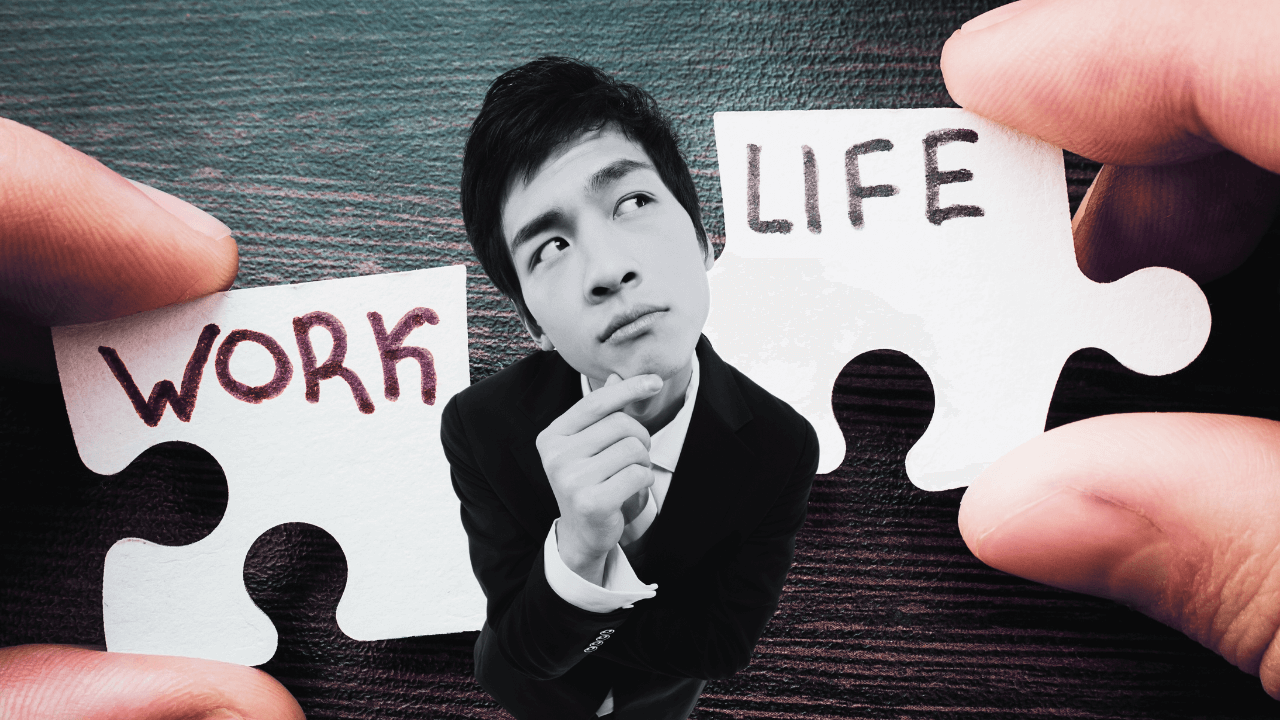
GAUTENG, SOUTH AFRICA — The long-standing corporate mantra of work-life balance is being abandoned in 2026 in favor of a more fluid approach known as work-life integration.
“This is not a trend. It is a practical reset in how the modern office fits into real life,” said Penelope Meniere, National Marketing Manager at South Africa-based flexible workspace community Workshop17.
Meniere leverages her expertise in marketing strategy, brand communication, and creative content development to drive national initiatives for flexible office spaces and coworking environments.
Why the work-life balance model is flawed
In a The Star thought leadership piece, Meniere writes this shift reflects the reality that professional tasks and personal errands cannot be confined to rigid halves of the day; rather, they coexist naturally to reduce stress and improve focus.
She mentions that the idea seems effective. Still, most of the working population is aware that their day-to-day lives simply would not allow them to follow the strict schedule it entails, and they describe the struggle as an act of balancing, which is unsustainable.
This realization has been the gateway to the work-life integration model, which recognizes the life interruptions and needs as elements of a productive day.
This will enable them to share time rather than segregate dentist appointments, school pickups, and strategy time. The day can be made lighter and less of a logistical puzzle by enabling work to take place where life already occurs.
Meniere explains, “When work happens near the places people already move through in their daily lives, the day feels lighter. Time returns. Stress softens. Focus tends to follow.”
Business benefits of work-life integration
The physical environment is also very relevant to enabling this new rhythm. Closeness to daily lives creates a less clinical, more habitable atmosphere, in which personality and warmth can manifest.
In the business world, this shift in balance toward work-life integration is yielding quantifiable returns.
According to Meniere, “[Organizations] embracing this way of working are seeing stronger focus, improved retention, lower stress, and teams that arrive with more energy.”
Through their increased freedom of action, especially convenience, the performance improves, without necessitating strict managerial supervision, which comes as a natural demonstration that a happier workforce is a productive workforce, and is associated with a healthier bottom line.
The transition from rigid work-life balance to a more fluid work-life integration model in 2026 is transforming workplace dynamics, fostering greater employee satisfaction, and driving improved productivity by aligning professional tasks with personal routines.







