
Ford’s gov’t hiring freeze deepens Ontario home care staffing crisis

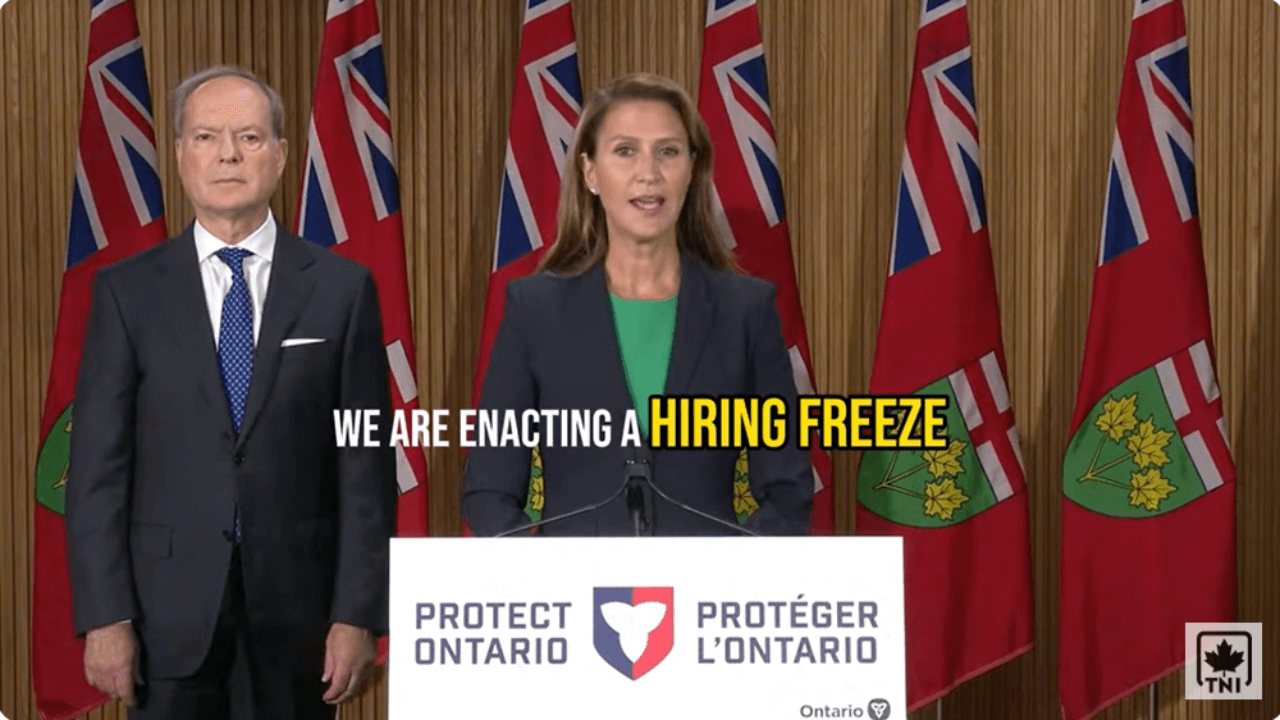
TORONTO, CANADA — Ontario’s already strained home care sector is bracing for further disruption after the Ford government announced a hiring freeze for all state agencies, a move advocates say will exacerbate staffing shortages and potentially open the door to privatization in the province’s healthcare system.
Homecare workers stretched thinner
The freeze, which takes effect September 27, caught agencies off guard. According to the government, officials will be meeting with 143 agencies over the coming weeks to ensure their human resources strategies align with this direction. The lack of advance notice, however, leaves organizations like Ontario Health atHome scrambling to adjust.
According to a report from Business Wire, Ontario Health atHome staff are already overwhelmed by heavy caseloads and chronic shortages. Ford’s hiring freeze will only worsen the existing strain on front-line home care services.
The Ford government defends the move by pointing to a 2.3% annual growth in staffing at government agencies since 2023, claiming it has outpaced the Ontario Public Service. Yet advocates counter that this growth fails to keep pace with the rising demands of an aging population, increased hospital discharges, and other government directives.
Privatization looms over home care
The decision has fueled speculation about the government’s broader intentions. The report warns that the freeze is merely another step in hollowing out public services and the healthcare system, paving the way for the private delivery of public services. Critics fear that by limiting recruitment, the province will encourage patients to opt for more expensive private options or outsourced services.
The report emphasized that reducing staffing through attrition to compensate for a lack of available office space won’t improve services. It will just make an already overburdened system harder to navigate.
Such concerns resonate in a global context where outsourcing is increasingly used to manage costs, often at the expense of service quality and job security. For home care patients and workers in Ontario, the risk is that strained public programs will become a proving ground for private contractors.
Advocates argue that frontline staff should be exempt from the freeze altogether. As the article stated, the government especially needs to recognize that all Ontario Health atHome workers are front-facing staff; this policy should not cover that.
With Ontario’s aging population growing and healthcare needs rising, many in the sector fear this latest policy shift will deepen inequities and undermine the very services families rely on to keep loved ones at home.
Exploring alternative care models
Offshore staffing support and virtual care delivery present potential ways to ease pressure on Ontario’s overstretched home care system. By leveraging international talent and remote healthcare innovations, agencies could sustain service quality despite local hiring restrictions, providing a stopgap while longer-term workforce strategies are developed.
Related news
- Canada’s Renfrew County launches remote care program for seniors · 1 Nov
- U.S. healthcare system buckles with closures, mass layoffs in H2 2025 · 15 Aug
- 1 in 5 UK healthcare candidates fail background checks · 7 Nov 2024
Disclosure: Outsource Accelerator uses AI tools in the backend of its editorial workflow. Every article is reviewed and verified by a human editor before publication.
Stay ahead in healthcare outsourcing. Join thousands of healthcare and business leaders who rely on Outsource Accelerator for the news, trends, and expert insights shaping medical BPO and the future of care delivery. Subscribe to our free newsletter and never miss an update.








