
H-1B visa hike drives U.S., Japan firms toward India outsourcing

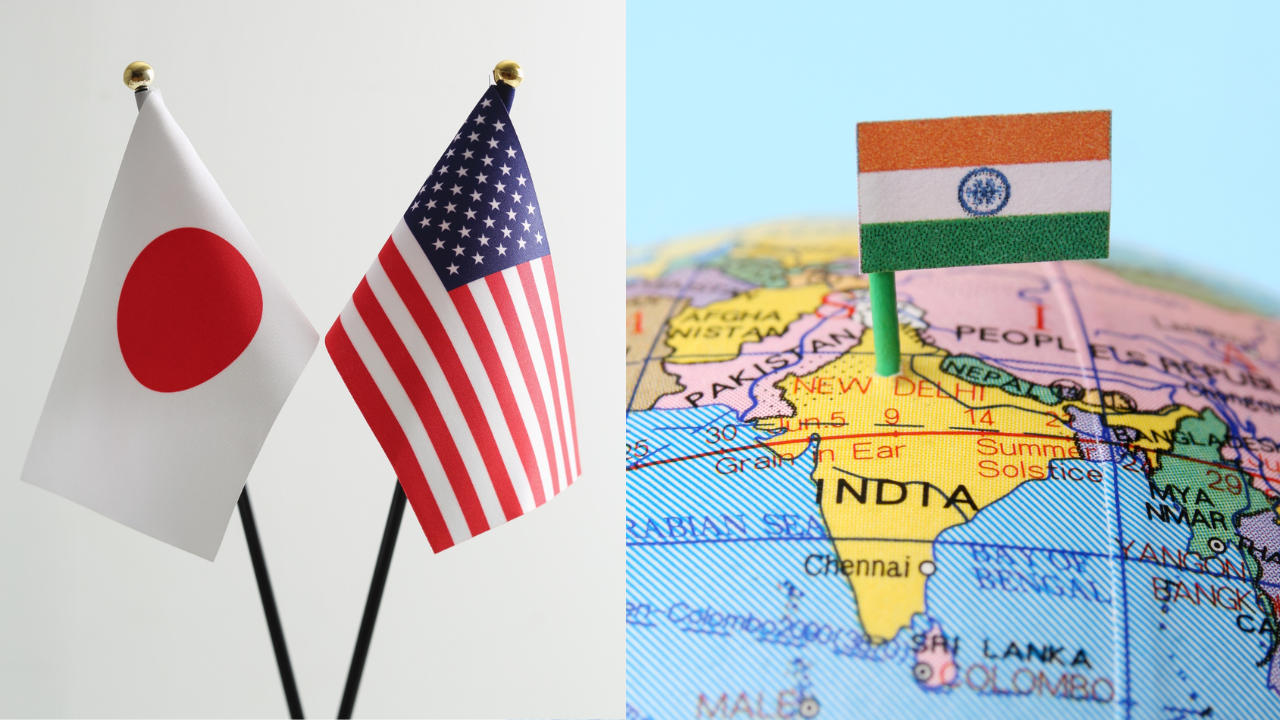
NEW YORK, UNITED STATES — The Trump administration’s steep hike in H-1B visa fees and tougher hiring standards are driving United States and Japan firms to move more skilled work overseas, with India emerging as a prime destination for back-office and professional services.
U.S. and Japanese firms expand overseas teams
U.S.-based HLS Global, which provides international tax and audit services primarily to Japanese companies, has expanded its overseas footprint amid rising visa costs and tightening immigration rules. The firm has been increasing its workforce in India and Japan since early this year, performing more U.S.-related tasks abroad.
According to a report from Nikkei Asia, in India, where the company established a subsidiary in 2016, it has been ramping up local hiring and has been supporting U.S. operations for five years. There are roughly 100 employees in India; about 20 are now engaged in U.S. tax, audit, and compliance tasks.
The company also plans to open another office in Miyazaki Prefecture, Japan, by 2026 to support its U.S. operations further. HLS Global Chief Executive Officer (CEO) Shunsuke Saito described the new fee rules as a game-changer for business decisions.
“Frankly, at $100,000, applying for a visa is tough,” Saito said.
“We are considering using J visas for exchange visitors and other visa categories to secure bilingual Japanese accountants,” Saito added.
Visa costs accelerate offshoring shift
The proposed $100,000 H-1B application fee, a sharp increase from current levels, has made it prohibitively expensive for companies to hire foreign professionals in the U.S. The restriction aims to bring jobs back to American workers, but risks backfiring by accelerating offshoring.
As of June, H-1B approvals were dominated by tech firms such as Amazon, Google, and major consulting and financial firms. India remains the largest source of H-1B recipients, accounting for 70% of total approvals.
Reuters also reported that Accenture plans to build a new campus in southern India, with ambitions to hire 12,000 more local employees, a sign that global firms are doubling down on Indian talent to mitigate U.S. policy risks.
“The decline in the number of Japanese people in the U.S. was becoming serious even before the current Trump administration,” noted Masato Fujihara, president of New York-based staffing company Interesse International.
“If this situation continues, it will be difficult for Japanese businesses in the U.S. to survive,” Fujihara added.
Outsourcing industry gains momentum
While the visa crackdown aims to boost domestic hiring, it’s inadvertently strengthening India’s position as a global outsourcing powerhouse.
As companies diversify their operational hubs, India’s tech and professional services sectors stand to benefit from a surge in offshored functions, from finance to software development.
In the outsourcing industry, this policy shift reinforces a familiar pattern: restrictive immigration measures often lead to stronger cross-border partnerships and remote service delivery models.
With India and Japan ramping up workforce integration, a new wave of “distributed globalization” may define the next phase of global business strategy.
Related news
- India no longer just an outsourcing hub, says former chairman · 7 Oct
- H-1B fee, HIRE Act accelerate global shift in tech jobs · 25 Oct
- U.S. HIRE Act threatens India’s IT exports, former RBI governor warns · 4 Nov
Disclosure: Outsource Accelerator uses AI tools in the backend of its editorial workflow. Every article is reviewed and verified by a human editor before publication.
Stay ahead of the outsourcing industry. Join thousands of business leaders who rely on Outsource Accelerator for the news, trends, and expert insights that matter. Subscribe to our free newsletter and never miss an update.








