
Health experts call for easier telehealth access for American seniors

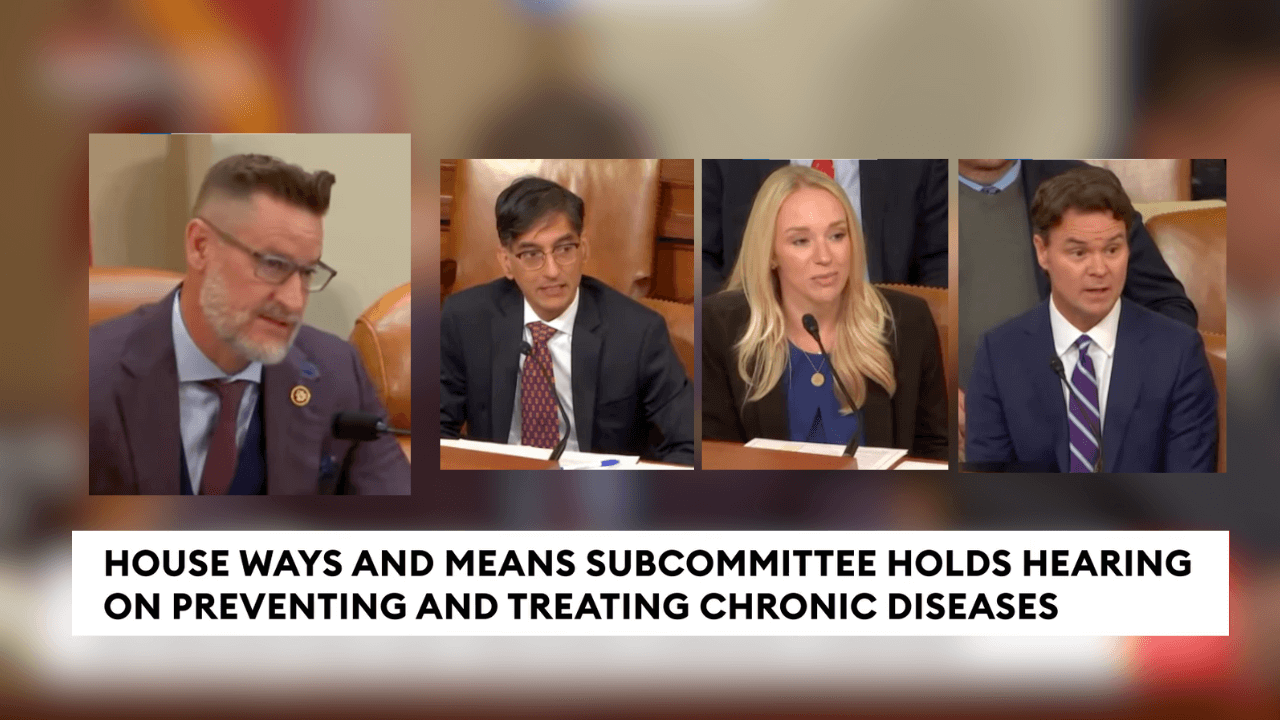
- Lawmakers heard calls to simplify virtual care for older Americans
- Witnesses urged making pandemic-era telehealth expansions permanent
- Audio-only visits and asynchronous messaging were proposed
- Some rural patients have no hospital within a 100-mile radius
NEW JERSEY, UNITED STATES — Healthcare leaders urged lawmakers to make virtual care easier and more accessible for elderly Americans, stressing that outdated systems and complex technologies continue to limit care for a population that would benefit the most.
The discussion came during a House Ways and Means Committee hearing, where Representative Greg Steube (R-FL) pressed experts on how the United States health systems can better support seniors, especially those living with chronic pain, mobility challenges, or in rural areas with limited medical services.
Medicare pain rules hinder non-invasive care for older adults
During the hearing, Steube argued that seniors face unnecessary barriers to noninvasive pain management due to outdated Medicare rules.
“Tens of thousands of Americans live with pain and often seek solutions through surgeries and medications,” he said.
“Better use of chiropractics and pain medicine techniques could lower those [costs] but they can’t because of Medicare’s antiquated payment systems,” he added.
Dr. Michael Hoben, chief medical officer for Population Health Services, underscored that effective chronic pain care relies on multidisciplinary coordination, a model widely adopted by health systems but not always well-supported by reimbursement rules.
“We use a multidisciplinary approach,” Hoben said, describing integrated teams that include “neurologists, anesthesiologists, surgeons, physical therapy, chiropractic care, [and] the pharmacy team.”
For hospitals and health systems, improved Medicare alignment could reduce costly surgical interventions, support population health goals, and expand noninvasive pain treatment options, areas that increasingly intersect with value-based care metrics.
Telehealth upgrades, audio-only visits could boost rural senior care
Beyond chronic pain, experts emphasized the urgent need to streamline telehealth for seniors, a goal U.S. providers have long advocated.
Steube noted that many older adults struggle with digital tools, prompting Dr. Max Parikh to outline practical fixes to ease the burden on health systems.
“One is making it built into the electronic record and easily sending the link so that there’s a one-click way for them to access it,” Parikh said.
He also called on lawmakers to make pandemic-era telehealth expansions permanent, stressing that virtual care is vital for rural patients who may not have a hospital within a 100-mile radius.
“If we can catch that heart failure early with remote patient monitoring and adjust those medications with telemedicine and a consultation with the pharmacist, then you’ve saved that patient’s life in addition to significant cost savings,” Parikh added.
Parikh added that allowing audio-only visits and asynchronous messaging would improve access for seniors who cannot navigate video calls, changes that would ease operational burdens on clinics and reduce missed appointments.
Pharmacist Dr. Allison Reichert, a 4th-generation pharmacist and Vice President of Operations at Bode Drug Inc., also spotlighted the frontline role pharmacists play in rural access.
“I see a lot of my patients on a weekly basis,” she said. “We have that frequency of interaction where we’re able to reinforce adherence, prevent complications, and coordinate with their physicians when needed.”
For healthcare providers, these reforms would expand reach, reduce avoidable hospitalizations, and strengthen chronic care management, especially in underserved regions.
Related news
- U.S. health systems rebound in Q3 2025; outsourcing, virtual care help · 4 Dec
- U.S. home healthcare market to hit $210Bn by 2033: Renub Research · 3 Dec
- China-U.S. hospitals team up to advance critical care · 2 Dec
Disclosure: Outsource Accelerator uses AI tools in the backend of its editorial workflow. Every article is reviewed and verified by a human editor before publication.
Stay ahead in healthcare outsourcing. Join thousands of healthcare and business leaders who rely on Outsource Accelerator for the news, trends, and expert insights shaping medical BPO and the future of care delivery. Subscribe to our free newsletter and never miss an update.








