
AI layoffs need evidence, not executive storytelling

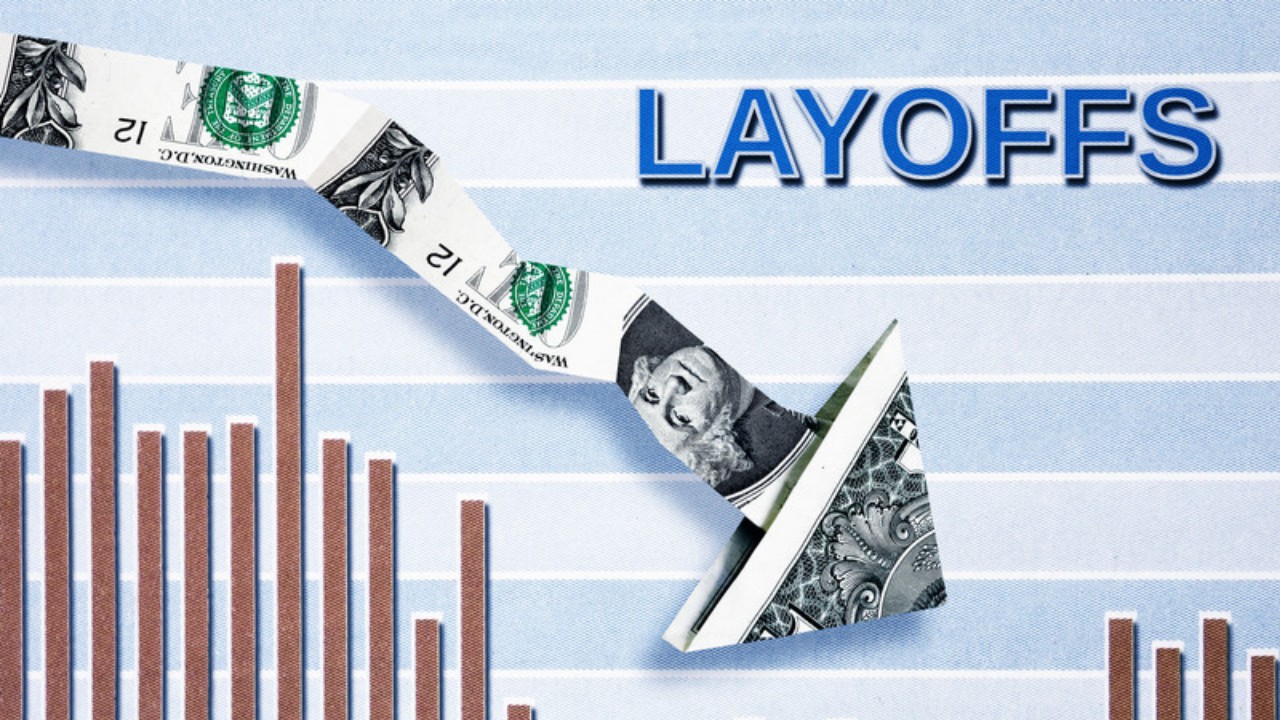
- U.S. technology companies cut nearly 140,000 jobs in 2026
- Only 2% of executives cited proven AI implementation for large cuts
- 39% made moderate cuts in anticipation of AI capabilities
- Harvard Business Review surveyed 1,006 executives in December 2025
NEW YORK, UNITED STATES — United States technology companies cut nearly 140,000 jobs in 2026 while attributing the reductions to artificial intelligence (AI), but a new analysis finds that only 2% of executives making large workforce reductions could point to actual AI implementation that had already proven it could replace the work, with the rest acting on anticipated capabilities not yet deployed.
Executives cite AI to justify layoffs without documented evidence
Gleb Tsipursky, chief executive officer of Disaster Avoidance Experts, wrote that “every AI-linked workforce reduction should come with a testable operating thesis” specifying which tasks disappear, which change, what AI can currently perform, and who is named accountable.
An analysis published by CEOWorld found Amazon, Oracle, Meta, and Microsoft alone accounted for roughly 50,000 of the year’s 140,000 U.S. tech job cuts while simultaneously announcing hundreds of billions in new data center spending.
A Harvard Business Review study of 1,006 global executives surveyed in December 2025 found 39% made low-to-moderate headcount reductions in anticipation of AI capabilities and 21% made large reductions in anticipation of AI, yet only 2% made large reductions based on actual AI implementation that had already proven it could replace the work.
When companies invoke AI to justify workforce cuts but cannot show which tasks the technology has already automated, the restructuring narrative is a forecast, not documented operational change.
Tsipursky proposes evidence tiers for AI-linked workforce decisions
Tsipursky identified an “accountability gap” in which leaders claim credit for successful AI implementations but attribute failures to external conditions, as his proposed evidence framework requires four documented proof categories before any AI-linked workforce reduction is finalized: task-level proof of what has been automated, workflow-level measurement of full process impact, capacity testing of the reduced team’s sustainability, and business outcome proof showing performance improvement.
For enterprise buyers relying on AI-rationalized pricing from technology and service vendors, the same evidence gap applies: an automation claim that cannot show task-level documentation of what the technology has already replaced is a projection of capability, not a statement of current operational reality.
The documentation standard Tsipursky proposes applies equally to offshore outsourcing and business process outsourcing (BPO) procurement, where enterprise clients evaluating AI-augmented delivery claims from leading BPO operators should apply the same task-level evidence tiers to vendor automation narratives before approving AI-linked pricing changes.
The difference between an AI-driven workforce reduction and an AI-attributed one is task-level documentation showing automation has already replaced specific work, not a projection that it will.
Tsipursky’s evidence framework reflects an accountability shift underway as enterprises move from AI experimentation to operational deployment.
For BPO operators marketing AI-augmented delivery capabilities, the same documentation standard applies: clients will increasingly require task-level automation proof before accepting AI-linked pricing or service model changes.
Offshore BPO operators that can document AI productivity gains at the task level are positioned ahead of those relying on forward projections alone.
Related news
- CTO confidence in scaling AI falls to 48%: report · 27 Jun
- AI drives agentic process outsourcing shift, says tech exec · 25 Feb
- U.S. labor market hits ‘slack water’: Indeed Hiring Lab · 3 Jul
Disclosure: Outsource Accelerator uses AI tools in the backend of its editorial workflow. Every article is reviewed and verified by a human editor before publication.
Stay ahead of the outsourcing industry. Join thousands of business leaders who rely on Outsource Accelerator for the news, trends, and expert insights that matter. Subscribe to our free newsletter and never miss an update.








