
Philippines BPOs invest $25Mn in upskilling to combat AI threat

- Philippine BPO firms spend about PHP1.4 billion yearly on upskilling
- That is roughly $25.2 million
- Outsourcing accounts for about 8% of Philippine GDP
- IBPAP targets nearly two million workers and $42 billion by 2026
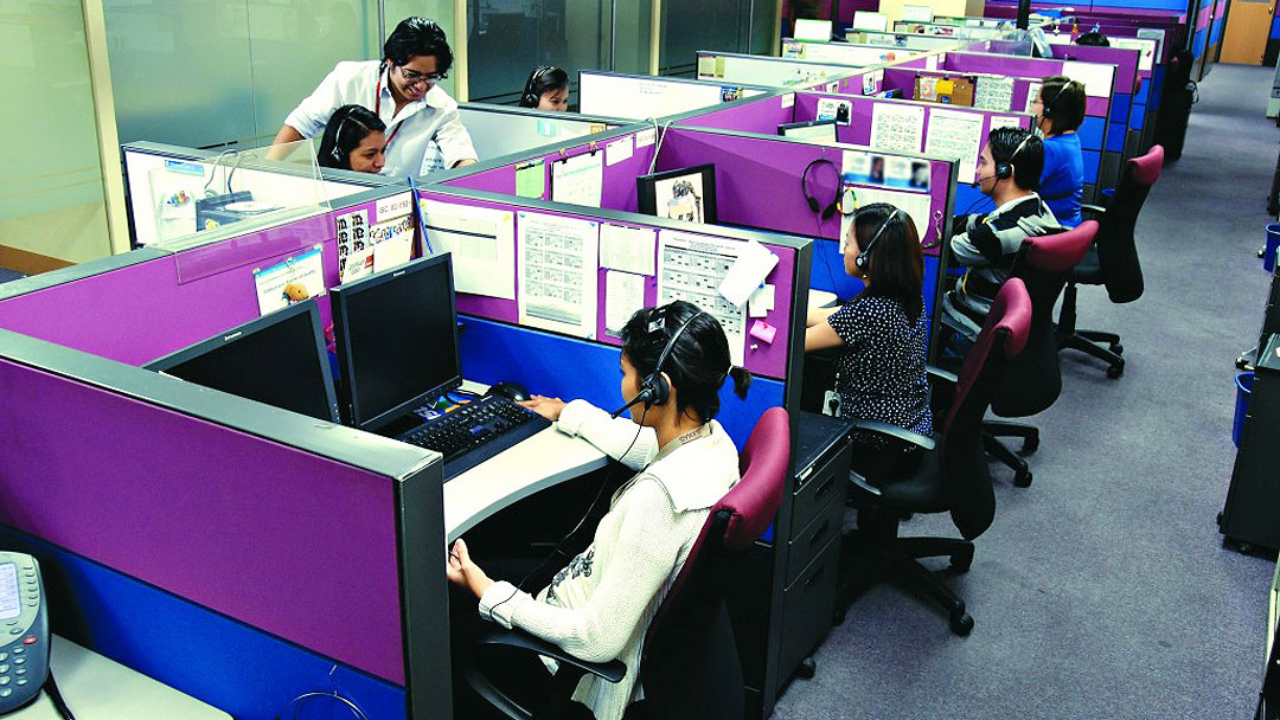
MANILA, PHILIPPINES — Business-process outsourcing (BPO) companies in the Philippines are investing roughly PHP1.4 billion (US$25.2 million) annually to train and upskill workers, as the sector faces mounting challenges from talent shortages, artificial intelligence (AI), and rising global competition.
The move highlights Manila’s determination to maintain its foothold in a market that has fueled economic growth and helped expand the middle class since the 1990s.
According to a Bloomberg report, outsourcing currently accounts for about 8% of the country’s gross domestic product (GDP) and nearly a fifth of the global outsourcing market.
Upskilling push to protect Philippines’ outsourcing lead
According to Jack Madrid, the group’s president, every company in the 400-member IT & Business Process Association of the Philippines (IBPAP) has a dedicated learning and development team to train new employees and reskill existing staff.
“The amount the firms spend on upskilling is a conservative estimate and is comparable to that of India, the nation’s top competitor,” Madrid said.
“Our industry has gone beyond communication. To me, knowledge has become much more important,” he added.
The sector’s focus is increasingly on technology, data, and knowledge-driven roles, rather than traditional communication-based tasks, as companies seek to remain competitive against emerging outsourcing hubs.
The pivot to upskilling comes at a critical time; a 2025 report from the International Monetary Fund suggests that while AI highly exposes the Philippine service sector, over 60% of these roles are ‘complementary,’ meaning technology is more likely to augment human productivity than replace it entirely.
New outsourcing hubs challenge Philippines’ BPO dominance
The Philippines has maintained its position as the leading outsourcing nation, but various international markets now show interest in other countries. The emerging outsourcing markets of Vietnam, Malaysia, South Africa, Colombia, and Poland have become competitive alternatives to existing outsourcing destinations.
“Vietnam is a bigger threat,” Madrid said, noting the country’s “quite advanced” educational system and its perception as “extremely strong in technology talent.”
IBPAP plans to expand its workforce to almost two million employees while increasing its revenue to US$42 billion by 2026, which exceeds the forecast of US$40 billion for 2025.
“My concern is to make sure that we are a strong number two,” Madrid said, referring to India as the world’s largest outsourcing hub.
The Philippine BPO sector is increasing its investments in full training programs as it needs to train employees who possess advanced skills. The programs train employees to develop both their technical abilities in AI applications and their essential skills needed to undertake challenging work.
The Philippines plans to protect its international position through its talent development initiatives while demonstrating that agility and human capital are equally important to business scale in the changing outsourcing industry.
Related news
- Philippines BPOs race to upskill in AI age, says IBPAP chief · 20 Feb
- Philippines targets 700K BPO jobs in regional push · 5 Mar
- AI to reshape CX and call centers in 2026, says ibex CTO · 29 Jan
Disclosure: Outsource Accelerator uses AI tools in the backend of its editorial workflow. Every article is reviewed and verified by a human editor before publication.
Stay ahead of the outsourcing industry. Join thousands of business leaders who rely on Outsource Accelerator for the news, trends, and expert insights that matter. Subscribe to our free newsletter and never miss an update.








