Brazil’s human-agent rule could add up to 100,000 call center jobs


- Decree No. 13.135/2026 requires human service 8 a.m. to 8 p.m. from Nov. 2.
- ABT estimates regulated sectors will need 20% to 25% more agents.
- That could mean 80,000 to 100,000 new jobs, according to ABT.
- Brazil’s teleservices sector employs about 1.4 million workers, 70% of them women, ABT says.
BRASILIA, BRAZIL — Brazil’s new customer service decree could create up to 100,000 jobs as companies in regulated sectors expand their human support teams. The rules apply from Nov. 2 and require human service by phone and electronic channels from 8 a.m. to 8 p.m. every day, including Sundays and holidays.
From eight hours to twelve
The projection comes from the Brazilian Teleservices Association (ABT), Consumidor Moderno reported on Oct. 30. Decree No. 13.135/2026, which covers Brazil’s consumer service channels, known as SAC, was published in Brazil’s Diário Oficial da União on Oct. 13.
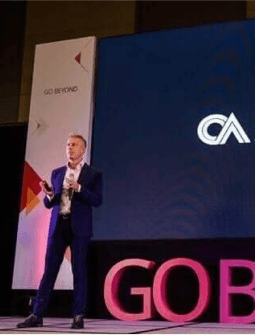
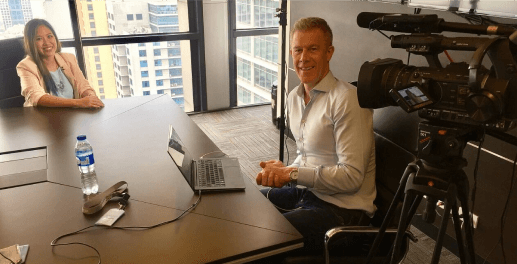
Under the previous rule, the minimum was eight hours a day and only by phone, said John Anthony von Christian, executive president of ABT, in an interview with the publication. From Nov. 2, it rises to 12 hours a day, on the phone as well as in chat, apps and messaging.
“Expanding human service will require more people in operations,” von Christian said.
Where the hiring lands
ABT estimates that regulated sectors will need 20% to 25% more agents, which could mean between 80,000 and 100,000 new jobs. The increase could reach 30% as other segments, such as marketplaces and apps, adapt.
Hiring should concentrate in high-volume regulated sectors, including banks, telecommunications, energy and health plans, according to ABT. The Northeast already accounts for more than 30% of the sector’s hiring, and the region’s share has nearly tripled in 15 years, von Christian said. The sector employs about 1.4 million workers, 70% of them women, he said.
Scale and service targets
The rules also set quality targets, von Christian said, including waits of up to 20 seconds on at least 80% of calls and a callback within five minutes when a call drops. Menus are limited to five levels, with the option to speak to a person and to cancel at every level.
“The main challenge is one of scale,” von Christian said. “This requires hiring and training teams and setting up shifts for nights and weekends.”
AI’s place under the new rules
Von Christian said the decree is the first rule to recognize and assign roles to artificial intelligence in customer service, as long as consumers can choose to speak to a person. He expects contact centers to combine automation for simple requests with teams prepared for complex cases.
“We don’t see one replacing the other,” he said.
What it means for buyers
Companies running Brazilian customer service through in-house or outsourced call center teams now face a 12-hour daily human service window on phone and electronic channels. Buyers comparing partners can start with OA’s list of the top BPO companies worldwide.
Related news
- FCC’s Carr praises AT&T pledge to bring customer care onshore · 31 Oct 2026
- Chile’s Senate weighs ban on offshore call center outsourcing · 20 Oct 2026
- France’s telemarketing ban threatens Moroccan jobs · 20 Aug 2026
Disclosure: Outsource Accelerator uses AI tools in the backend of its editorial workflow. Every article is reviewed and verified by a human editor before publication.
Stay ahead of the outsourcing industry. Join thousands of business leaders who rely on Outsource Accelerator for the news, trends, and expert insights that matter. Subscribe to our free newsletter and never miss an update.