
U.S. hospitals turn to Filipino remote nurses to cut costs

- The Philippines’ outsourced healthcare sector employed 210,000 workers in 2025
- It generated $4.5 billion in revenue
- About 30% of that workforce holds medical credentials
- Filipino virtual nurses earn $5 to $10 per hour
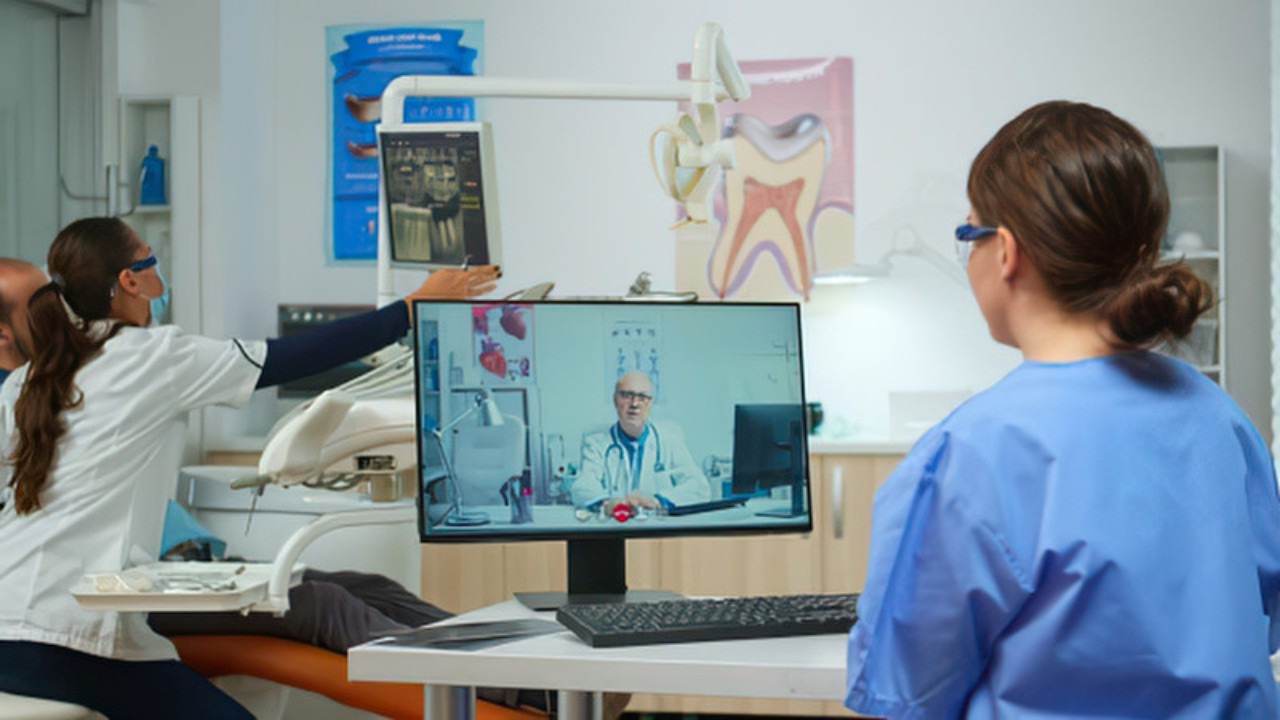
NEW YORK, UNITED STATES — With a shortage of nearly 80,000 registered nurses at home, United States healthcare employers are turning to a growing pool of Filipino professionals working remotely — monitoring ICU patients, coordinating clinical intake, and processing insurance eligibility from thousands of miles away.
Their investigation documents how this offshore model has quietly scaled into a multi-billion-dollar industry.
Filipino nurses work U.S. ICUs remotely
According to a report from Rest of World, the Philippines’ outsourced healthcare sector employed 210,000 full-time workers in 2025, generating $4.5 billion in revenue — with approximately 30% of that workforce holding medical credentials.
U.S. employers including Clipboard Health, Kare Technologies, Nursa, and ShiftKey have tapped this pipeline, placing Filipino nurses in roles ranging from remote ICU monitoring and vital sign checks to medication logging, insurance eligibility verification, and facility transfer processing.
“[The Philippines has become a] clinical process outsourcing powerhouse…and a premier global hub for supporting overstressed international healthcare systems,” said JL Botor, president of the Healthcare Information Management Association of the Philippines.
Filipino virtual nurses earn $5 to $10 per hour, compared to $45 or more for a U.S. registered nurse — a gap that delivers up to 70% in labor cost savings for employers. Some positions require U.S. nursing licenses; many accept any medical field degree. Workers are typically engaged as independent contractors, often sourced through freelance platforms.
Concerns shadow the remote staffing model
The model carries risks that workers and researchers have documented. Some contractors reported monitoring up to 10 ICU patients simultaneously from Manila, hired without formal interviews or thorough background checks.
“It’s an imperfect tool, but the shortage of hands is significant enough,” said Ksenia Gorbenko, a medical sociologist at the Icahn School of Medicine at Mount Sinai, which piloted remote nursing arrangements.
The Philippines faces its own nursing shortage of 190,000 workers — meaning the same labor pipeline sustaining U.S. health systems is draining clinical capacity from the country it draws from.
“If they can’t go abroad, remote nursing is the next best thing because local wages are so low,” said Nico Uba, secretary-general of Filipino Nurses United.
For outsourcing providers, the Rest of World report puts a spotlight on a practice that remains largely unstructured.
The functions being performed remotely — triage coordination, prior authorization support, insurance verification, and care coordination — are precisely where structured offshore staffing partners provide governance, compliance oversight, and worker protections that informal contractor arrangements do not.
Outsourcing firms operating in Philippine healthcare services offer health systems an alternative to ad-hoc hiring: dedicated managed teams with defined scope, quality controls, and employment standards.
As U.S. demand for offshore clinical support grows, the distinction between structured outsourcing and unmanaged contractor pipelines will matter more — for patients and workers alike.
Related news
- AI use among nurses nearly tripled in a year · 14 Jul
- U.S. drug tariffs disrupt global pharma and outsourcing markets · 24 Oct 2025
- Feds delay HIPAA security rule overhaul to 2027 · 17 Jul
Disclosure: Outsource Accelerator uses AI tools in the backend of its editorial workflow. Every article is reviewed and verified by a human editor before publication.
Stay ahead in healthcare outsourcing. Join thousands of healthcare and business leaders who rely on Outsource Accelerator for the news, trends, and expert insights shaping medical BPO and the future of care delivery. Subscribe to our free newsletter and never miss an update.








