
4,000 nurses launch Massachusetts’ largest health strike

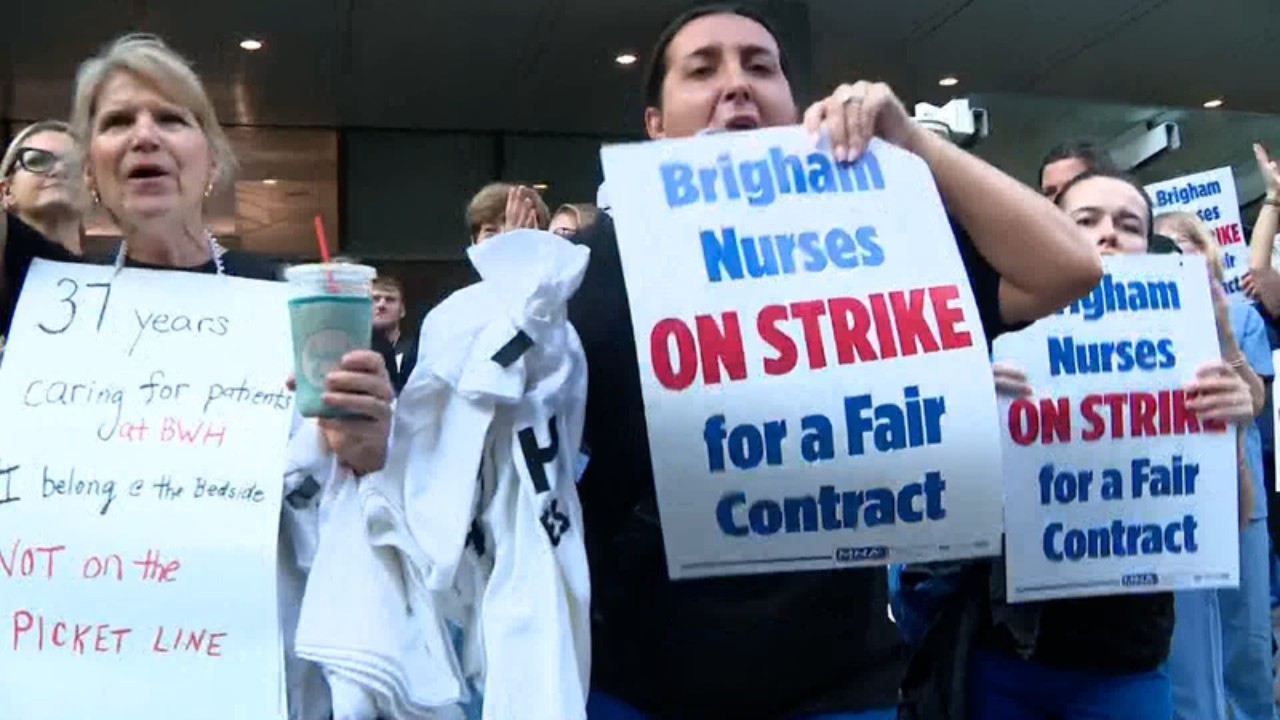
- More than 4,000 nurses walked off the job at Brigham and Women’s
- It is the largest healthcare labor strike in Massachusetts history
- 450 home health workers staged a parallel walkout
- The union estimates its proposal at $128 million
NEW YORK, UNITED STATES — More than 4,000 nurses walked off the job at Brigham and Women’s Hospital, launching the largest healthcare labor strike in Massachusetts history.
A parallel walkout by 450 home health workers amplified the action — and what was planned as a one-day strike quickly extended to five.
Nurses demand pay raises and protections
The Massachusetts Nurses Association (MNA) brought nurses out over unresolved contract demands: a 3% raise in the first six months of an 18-month agreement, a 4% increase in the following year, health insurance cost relief, and staffing protections.
According to a report from MedCity News, the union estimates its proposal would cost $128 million over the life of the contract.
“We are seeking safety standards and support…Unfortunately, MGB has refused to negotiate with us ahead of a 7-day strike,” said Shannon Viera, chair of the Mass General Brigham MNA Home Care Bargaining Committee.
Mass General Brigham reported $35.8 billion in total assets, while its top 14 executives collected $35.9 million in combined compensation in 2024 — figures the union cited as backdrop for its demands.
Home care clinicians launched a separate seven-day planned walkout, extending the labor action beyond the hospital and into community-based care settings.
State steps in as walkout widens
Mass General Brigham moved quickly to contract temporary replacement nurses — a decision that triggered a contractual extension of the strike period to July 13, five days total, under the terms of those replacement agreements.
“Brigham nurses cannot work during a strike. We have comprehensive emergency preparedness plans to ensure high-quality, safe patient care. This includes bringing on qualified, temporary nurses from leading academic medical centers,” the hospital said in a statement.
Governor Maura Healey and Boston Mayor Michelle Wu intervened directly, convening both sides at the State House on July 8 to press for a negotiated resolution. The strike put immediate pressure on patient access and elective procedure scheduling across one of the region’s largest hospital networks.
For healthcare outsourcing providers, the Brigham walkout illustrates the operational risk built into workforce-dependent care delivery.
When nursing staff shortages or labor disputes disrupt clinical operations, the downstream burden falls on revenue cycle management (RCM) teams, clinical documentation specialists, and care coordination functions — many of which are increasingly supported by offshore teams.
Outsourcing partners that provide scalable RCM, prior authorization support, and clinical documentation services offer health systems a buffer when workforce disruptions hit. The Massachusetts strike is a reminder that labor risk in healthcare is not a peripheral concern — it sits at the center of how hospitals operate and sustain financial performance.
Related news
- Feds delay HIPAA security rule overhaul to 2027 · 17 Jul
- U.S. CMS launches ACCESS model to transform chronic care · 28 Apr
- U.S. healthcare access becomes an IT problem as AI reshapes care · 6 Feb
Disclosure: Outsource Accelerator uses AI tools in the backend of its editorial workflow. Every article is reviewed and verified by a human editor before publication.
Stay ahead in healthcare outsourcing. Join thousands of healthcare and business leaders who rely on Outsource Accelerator for the news, trends, and expert insights shaping medical BPO and the future of care delivery. Subscribe to our free newsletter and never miss an update.








