
U.S. telco T-Mobile bets on Hyderabad for AI, engineering talent

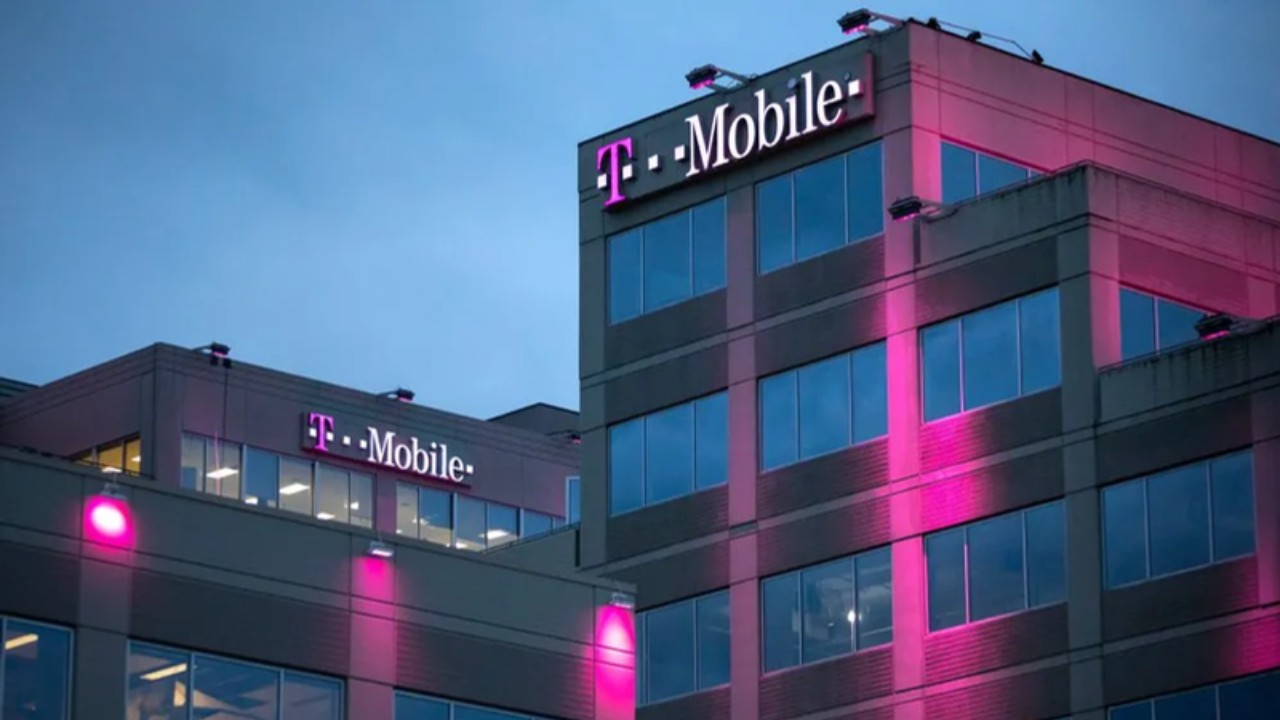
- T-Mobile opened a Hyderabad Global Capability Center on June 4
- It plans to hire nearly 1,000 employees by 2027
- The center spans 250,000 square feet
- Functions cover AI, software engineering, DevOps and cybersecurity
BENGALURU, INDIA — United States telecommunications company T-Mobile opened a Global Capability Center in Hyderabad on June 4, with plans to hire nearly 1,000 employees by 2027 — concentrating AI, software engineering, DevOps, and cybersecurity capability in a city that already hosts technology operations for Microsoft, Google, Amazon, Apple, and Salesforce. The center spans 250,000 square feet.
T-Mobile targets 1,000 Hyderabad hires across AI, engineering
According to Reuters, the Hyderabad GCC launches as T-Mobile restructures parts of its US workforce following the UScellular acquisition — layoffs that began in late 2025 position the India expansion as a structural redistribution of technical capacity rather than a near-term cost reduction.
T-Mobile’s 1,000-seat Hyderabad target against a global workforce of approximately 70,000 is a small headcount share building disproportionate technical depth — the ratio that characterizes how multinationals use GCCs to concentrate specialized AI and engineering capability outside their home markets.
The facility’s function mix — software engineering, DevOps, product development, data analytics, and cybersecurity — maps directly to the AI-adjacent disciplines T-Mobile needs to integrate AI into its network and customer operations infrastructure.
“The facility would help teams develop solutions that support both customers and broader business priorities,” said Chandra Gupta, Vice President of IT Operations, TMUS Global Solutions.
Hyderabad’s GCC cluster draws multinational tech firms at scale
Nasscom and Zinnov research finds nearly two-thirds of new GCCs established in India select either Bengaluru or Hyderabad — a concentration that gives both cities a compounding talent and ecosystem advantage over other Indian technology markets.
T-Mobile joins Microsoft, Google, Amazon, Apple, and Salesforce in operating technology centers in Hyderabad — a peer group whose presence has deepened the city’s engineering talent pipeline and raised the baseline for specialized AI and cloud skills available to new entrants.
Hyderabad’s GCC market depth means T-Mobile can source candidates already trained in hyperscaler tools and cloud infrastructure — reducing onboarding time for the AI and DevOps roles that form the majority of its planned headcount.
For Hyderabad’s BPO and IT services ecosystem, T-Mobile’s GCC entry adds another global telco to a delivery market anchored by hyperscaler infrastructure — deepening specialized AI, DevOps, and cybersecurity talent demand that third-party providers also compete to source.
For IT services and BPO operators benchmarking India delivery locations, T-Mobile’s Hyderabad launch follows the pattern of multinationals upgrading from outsourced delivery to captive GCC capability — compressing the talent pool available to third-party providers even as it validates Hyderabad’s status as a premier AI and engineering destination.
The UScellular restructuring context suggests this is long-term capability building rather than a temporary cost play.
Related news
- Hyderabad woman credits $262 BPO job for landing Amazon role · 13 Jun
- Multinational back offices squeeze India’s IT services industry · 12 May
- Microsoft Copilot hits 300,000 seats at India’s top three IT firms · 17 Jun
Disclosure: Outsource Accelerator uses AI tools in the backend of its editorial workflow. Every article is reviewed and verified by a human editor before publication.
Stay ahead of the outsourcing industry. Join thousands of business leaders who rely on Outsource Accelerator for the news, trends, and expert insights that matter. Subscribe to our free newsletter and never miss an update.








