
TCS shifts Nashik unit to remote work amid harassment probe

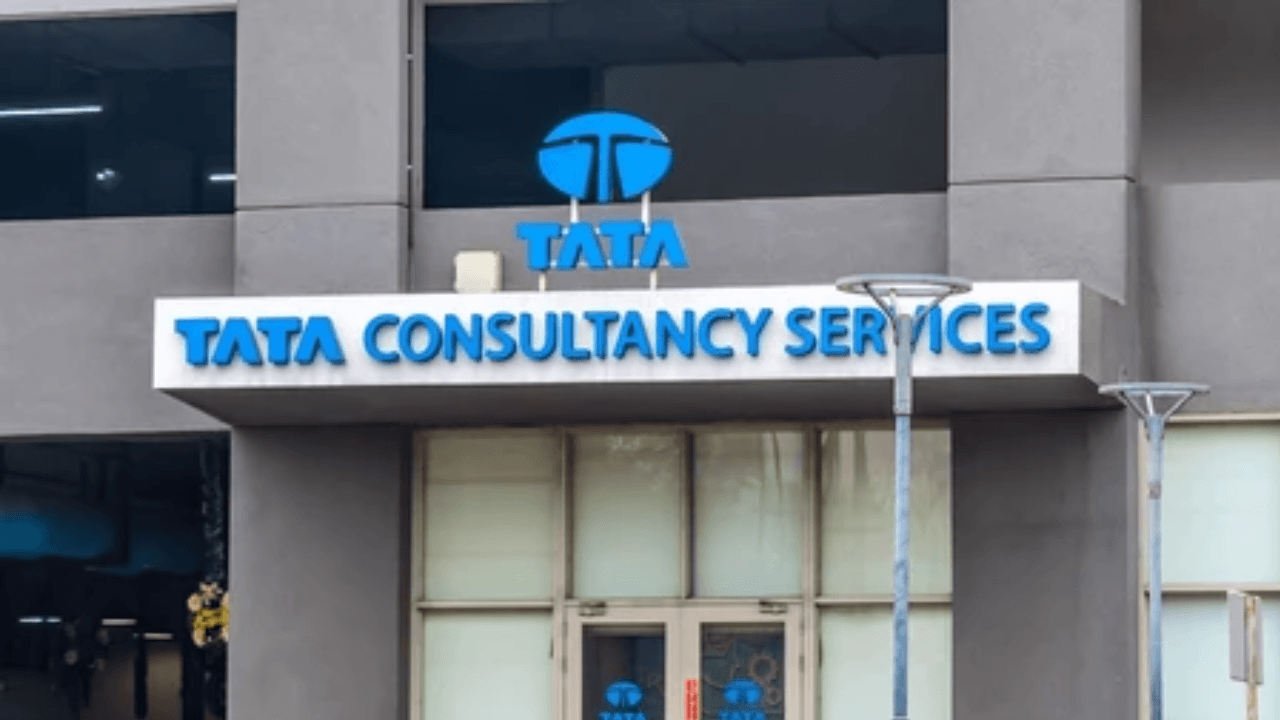
- TCS moved its Nashik operations fully online
- The unit employs around 170 people
- Police presence increased around the facility
- Authorities have not ordered the site closed
NASHIK, INDIA — A growing workplace investigation and security concerns have forced Tata Consultancy Services (TCS) to move its Nashik operations fully online, as the Indian IT giant faces scrutiny over alleged harassment cases and employee safety risks.
The decision underscores rising tensions at the facility, which has become the focus of both law enforcement and internal corporate reviews.
Remote work transition after security concerns at Nashik facility
According to a report from HRKatha, the Nashik center, a small business process outsourcing unit, has been placed under a work-from-home arrangement after reports of attempted damage to the premises by local groups and escalating safety risks outside the office.
‘The Nashik centre [center], a small business process outsourcing unit with around 170 employees, is now functioning entirely remotely,” the report said.
Police presence has been increased around the facility as a precautionary measure, though authorities have not ordered its closure. TCS emphasized that the transition is temporary and driven by safety considerations rather than operational shutdown.
“The company has clarified that the facility has not been shut by authorities and that the transition is temporary,” the report said.
The move comes amid heightened sensitivity around the site, where tensions have grown in recent weeks. What initially began as a single complaint in March has expanded into multiple cases involving allegations of sexual and mental harassment spanning several years.
The situation has also prompted questions about how internal grievance systems handled earlier reports.
Harassment allegations trigger wider investigation
Law enforcement agencies have broadened their probe, with investigators examining whether the allegations indicate a pattern of misconduct rather than isolated incidents. Several individuals have already been detained as part of ongoing legal proceedings.
At the same time, TCS has launched an internal review, with senior leadership directly overseeing the process.
The dual-track investigation—internal and legal—signals the seriousness with which the company is treating the allegations and their potential systemic implications.
The case has also drawn attention to how large outsourcing operations manage employee complaints and workplace safety, especially in distributed service delivery models where oversight can vary across locations.
From an industry perspective, the Nashik situation highlights the fragile balance outsourcing firms must maintain between operational continuity and employee protection.
As global clients demand uninterrupted services, providers like TCS are increasingly exposed to reputational and regulatory risks when local disputes escalate.
The shift to remote work in this case may be temporary, but it reflects a broader trend in the sector: companies prioritizing workforce safety and legal compliance as central pillars of operational resilience in an increasingly complex service economy.
Related news
- India semiconductor GCC hiring hits 3,549 open roles in March · 22 May
- IT services firms add thousands as AI reshapes who gets hired · 27 May
- NAB plans 1,000 more offshore hires as Australian bank jobs are cut · 2 Jun
Disclosure: Outsource Accelerator uses AI tools in the backend of its editorial workflow. Every article is reviewed and verified by a human editor before publication.
Stay ahead of the outsourcing industry. Join thousands of business leaders who rely on Outsource Accelerator for the news, trends, and expert insights that matter. Subscribe to our free newsletter and never miss an update.








