
New U.S. bill targets H-1B visas, staffing firms in major overhaul

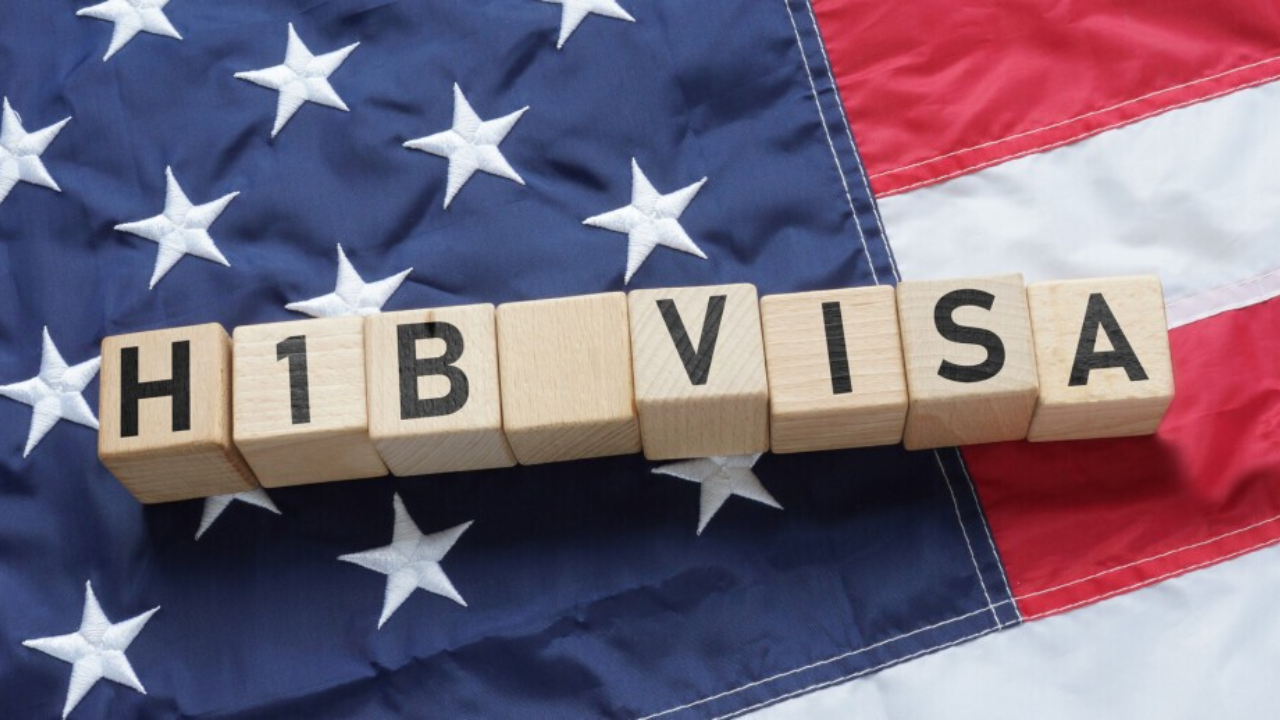
- The End H-1B Visa Abuse Act would pause visa issuance for three years
- It cuts the annual cap from 65,000 to 25,000
- A $200,000 minimum salary would apply to visa holders
- Staffing firms would be barred from employing H-1B workers
WASHINGTON, UNITED STATES — A new bill introduced by Representative Eli Crane, R-Arizona, would pause H-1B visa issuance for three years, ban staffing firms from employing H-1B workers, slash the annual visa cap from 65,000 to 25,000 and set a $200,000 minimum salary for visa holders — the most aggressive legislative attempt yet to overhaul the program United States tech and outsourcing companies rely on most heavily.
According to a report from Staffing Industry Analysts, the End H-1B Visa Abuse Act of 2026 goes well beyond President Trump’s recent move to attach a $100,000 fee to H-1B visas used by temporary foreign workers.
The proposal is already drawing sharp attention from corporate America, immigration attorneys and global outsourcing firms whose U.S. operations depend on the program.
A sweeping set of restrictions on foreign labor
The bill’s provisions reach far beyond the visa cap. It would replace the current lottery with a wage-based selection system, prohibit H-1B workers from holding more than one job, bar them from bringing dependents to the U.S., and prevent visa holders from adjusting status to permanent residency.
It would also end Optional Practical Training, the program that lets international students work temporarily in the U.S. after graduation, and prohibit federal agencies from sponsoring or employing nonimmigrant workers.
Employers would be required to certify that no qualified American worker is available and that no layoffs have occurred before sponsoring an H-1B hire.
“The federal government should work for hardworking citizens, not the profit margins of massive corporations,” Crane said in a press release.
“We owe it to the American people to prevent the broken H-1B system from boxing them out of jobs they are qualified to perform,” Crane added.
Direct hit to staffing firms and outsourcing vendors
The bill’s provision banning staffing firms from employing H-1B holders is the section likely to land hardest on the outsourcing industry.
Major IT services and contract staffing companies — many of them headquartered in India and operating large U.S. delivery arms — have long used the H-1B program to deploy specialized engineers and consultants to American clients.
A blanket prohibition would force a structural rewrite of how those firms staff U.S. projects.
“American workers are being replaced and cheap foreign labor is the cause. We will not bow down to the corporations and we will not let Americans become strangers in their own country. End the H-1B scam,” said Co-sponsor Rep. Andy Ogles, R-Tennessee.
The bill’s co-sponsors include Reps. Brian Babin, Brandon Gill, Paul Gosar, Wesley Hunt, Tom McClintock and Keith Self.
The legislation lands at a turning point for the global outsourcing sector, where U.S. enterprise demand for offshore delivery is already accelerating in response to rising visa costs and political uncertainty.
If the bill advances, providers across India, the Philippines and Latin America are positioned to absorb work that would otherwise be performed onshore — a shift that would reshape U.S. tech labor markets while expanding the footprint of offshore vendors competing for American contracts.
Related news
- Trump’s $100K H-1B fee costs Tata, Infosys, Cognizant billions · 3 Jan
- U.S. HIRE Act threatens India’s IT exports, former RBI governor warns · 4 Nov 2025
- Trump plan to raise H-1B salaries could cost employers $18Bn · 12 May
Disclosure: Outsource Accelerator uses AI tools in the backend of its editorial workflow. Every article is reviewed and verified by a human editor before publication.
Stay ahead of the outsourcing industry. Join thousands of business leaders who rely on Outsource Accelerator for the news, trends, and expert insights that matter. Subscribe to our free newsletter and never miss an update.








