
U.S. healthcare faces crisis as immigrant workers face deportation

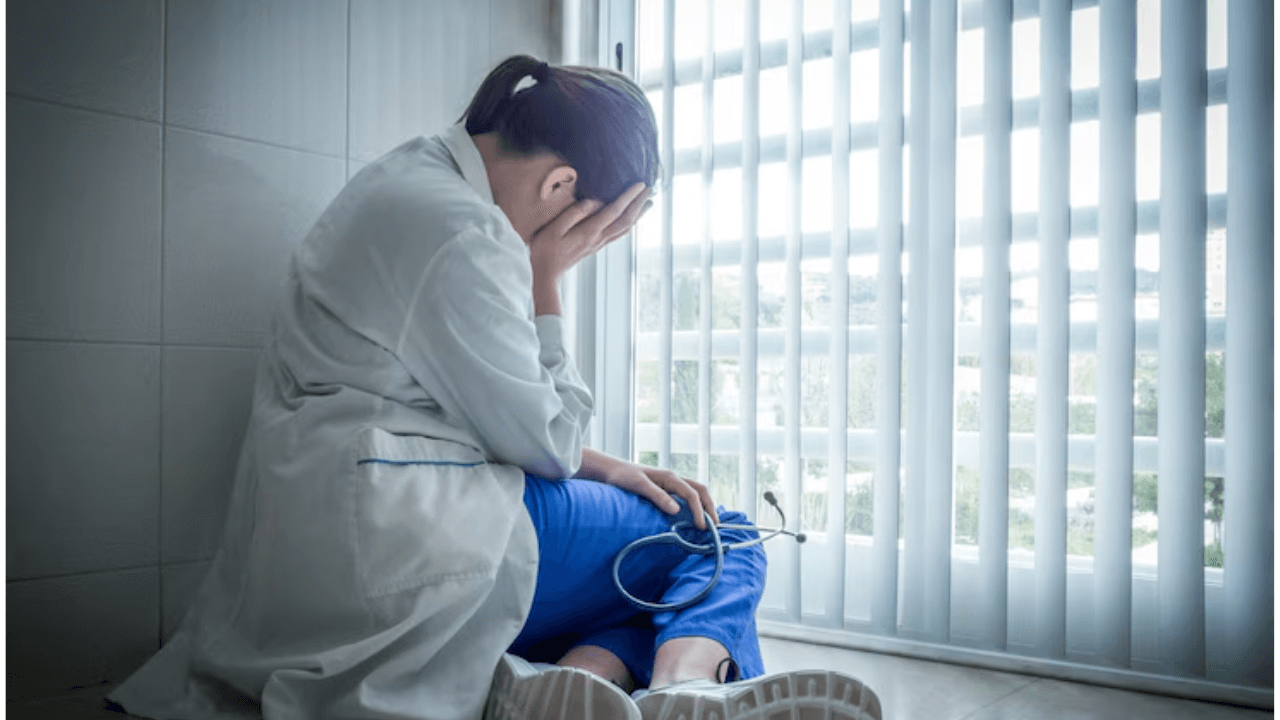
WASHINGTON D.C., UNITED STATES — More than one million immigrants, including roughly one-third without legal status, fill critical roles as doctors, nurses, nursing home aides, and other essential healthcare workers in the United States.
Medical professionals predict that President Trump’s threatened deportations, along with stricter immigration policies, will deepen current professional shortages, which will cause diverse care disruptions within hospitals and nursing homes and throughout health facilities nationwide.
Immigrant healthcare workers are vital amid rising shortages
According to a recent analysis, 2024 U.S. census data shows that nearly 17% of the healthcare workforce, or about 3.4 million workers, were born outside the U.S.
The U.S. population contains 5% noncitizens, with 700,000 legal immigrants, together with over 366,000 immigrants residing without authorization. The healthcare workforce in New York, Florida, and California substantially depends on immigrant professionals because noncitizen employees comprise 13% of New York healthcare staff, while Florida and California have 10% and 9%, respectively.
Nearly a quarter of U.S. physicians were born abroad, with more than 6% legally working but not citizens.
The deportation of Dr. Rasha Alawieh, a Yale-trained kidney transplant specialist, after being denied reentry despite a valid visa, has heightened fears among foreign-born healthcare workers.
Dr. Steffie Woolhandler, a health policy professor at Hunter College, warned, “If we start deporting or scaring away 1.1 million noncitizen healthcare workers, things will get much worse. And that’s going to affect the health care of all Americans.”
Policy impact could deepen staffing crisis, especially in home care
The Trump administration’s immigration crackdown, including revoking legal protections for refugees and Deferred Action for Childhood Arrivals (DACA) recipients, has created uncertainty for millions of immigrant workers and their employers.
Health policy analyst strategies demonstrate that these policies will guide foreign-educated medical professionals to seek work opportunities in Canada instead.
Janet Coffman, a health policy professor at the University of California, San Francisco, highlights how restrictive immigration regulations would negatively impact home health and nursing care because these industries rely on immigrant labor to fill persistent staffing gaps among an aging society.
“These changes in immigration policy pose a very big challenge for home health and nursing homes, because of their reliance on immigrant labor,” Coffman said.
A 2024 survey from the American Health Care Association revealed that staffing shortages have forced nearly half of U.S. nursing homes to be the same or have gotten worse, and restricted new admissions.
A projection indicates the need for 800,000 additional home care workers over the next decade to meet the demands of an aging population and avoid critical care bottlenecks.
Related news
- Greek healthcare struggles amid calls for reform, GPO survey reveals · 16 Apr
- Valley Health System’s smart hospital sets new patient care standards · 15 Apr
- 54% of health orgs to adopt AI billing within 2 years: Tebra survey · 12 Apr
Disclosure: Outsource Accelerator uses AI tools in the backend of its editorial workflow. Every article is reviewed and verified by a human editor before publication.
Stay ahead in healthcare outsourcing. Join thousands of healthcare and business leaders who rely on Outsource Accelerator for the news, trends, and expert insights shaping medical BPO and the future of care delivery. Subscribe to our free newsletter and never miss an update.








